Community Connect Hubs
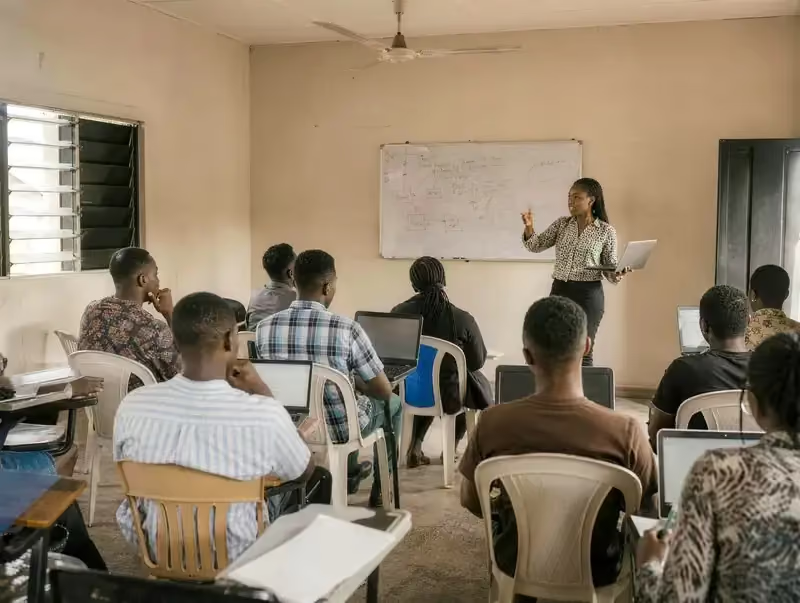
Shared devices, free internet access for learners and a trained local facilitator, placed inside markets and community centres so that first-time users learn where they already are.
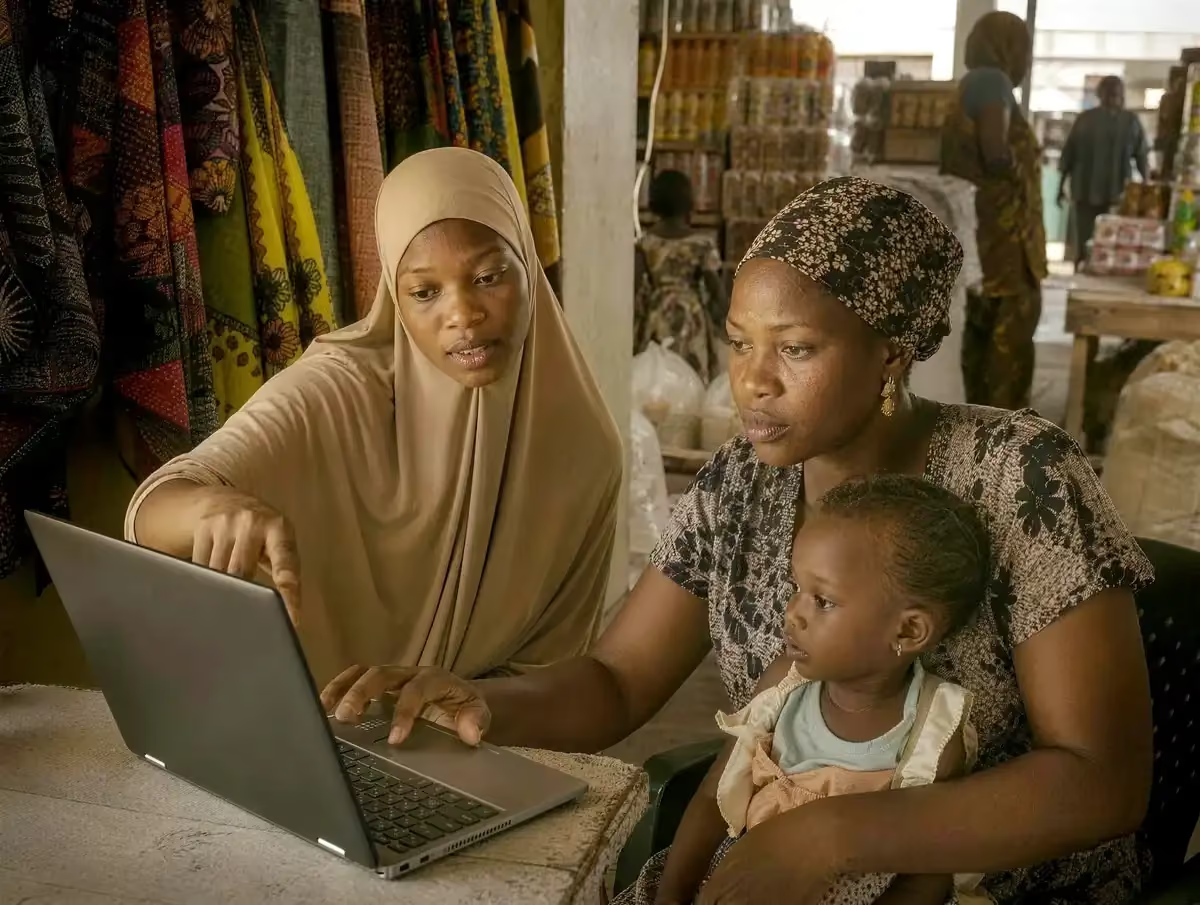
A hub is six laptops, a router, a solar battery and one person from the community who has been trained to help. It costs less than a billboard and it changes what people can do.
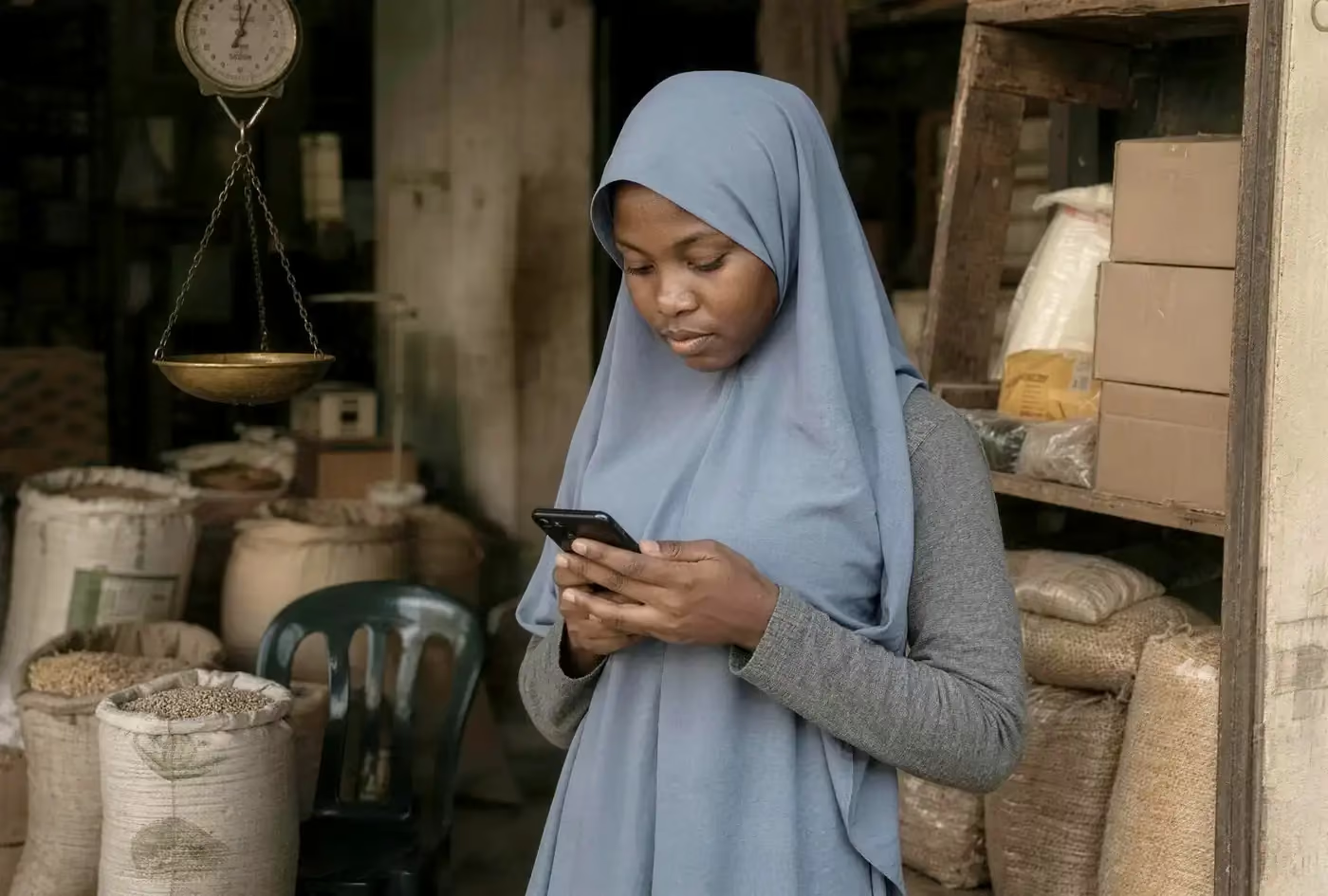
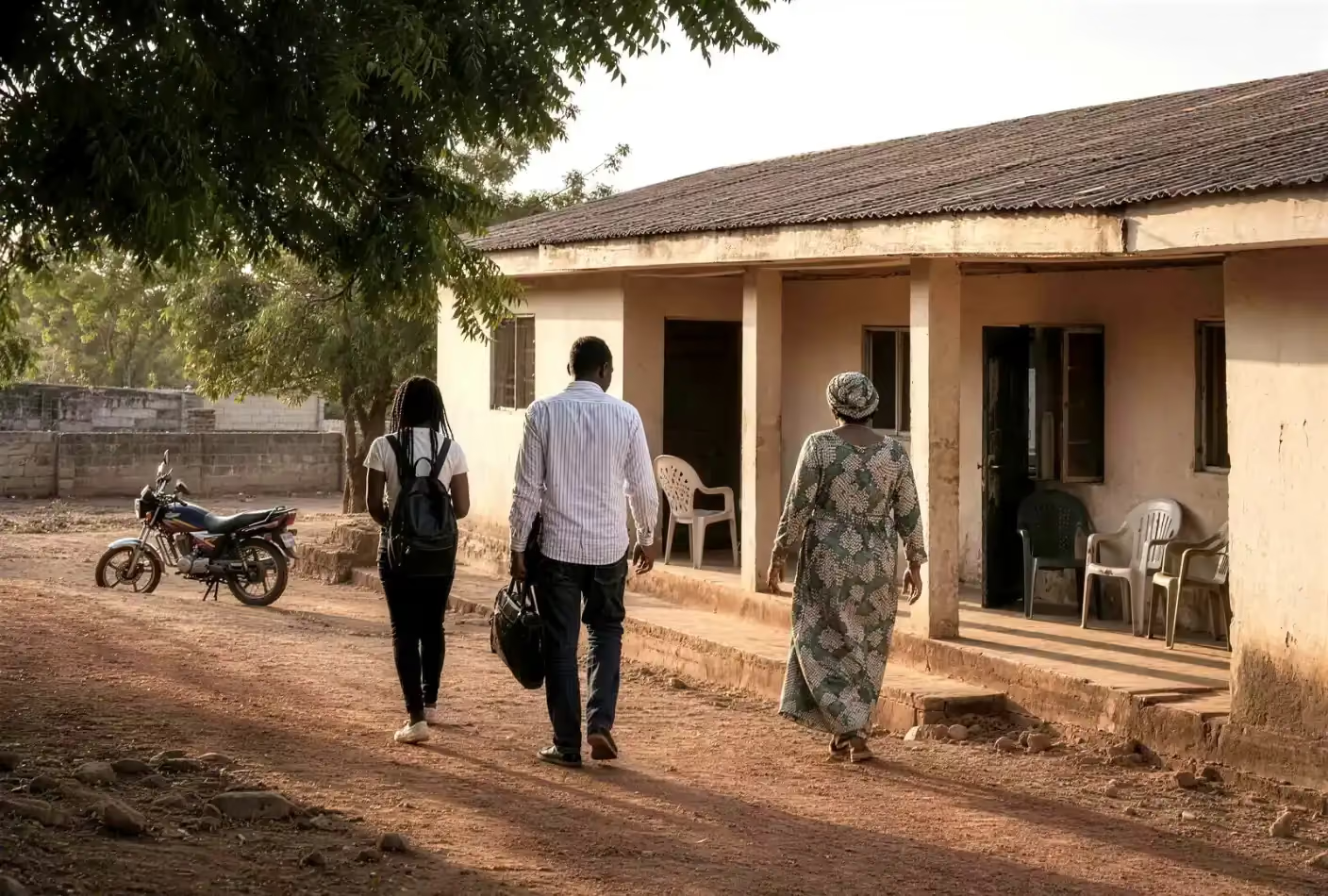
Hubs are placed inside covered markets and community centres, open six days a week, and staffed by a facilitator recruited from the community and paid by the Foundation. Anyone can walk in. Traders use them for records and mobile payments; parents for school forms; young people for applications and coursework. The first two hubs open in Lugbe in the Federal Capital Territory and in Ibadan, with locations chosen after listening sessions in each community.
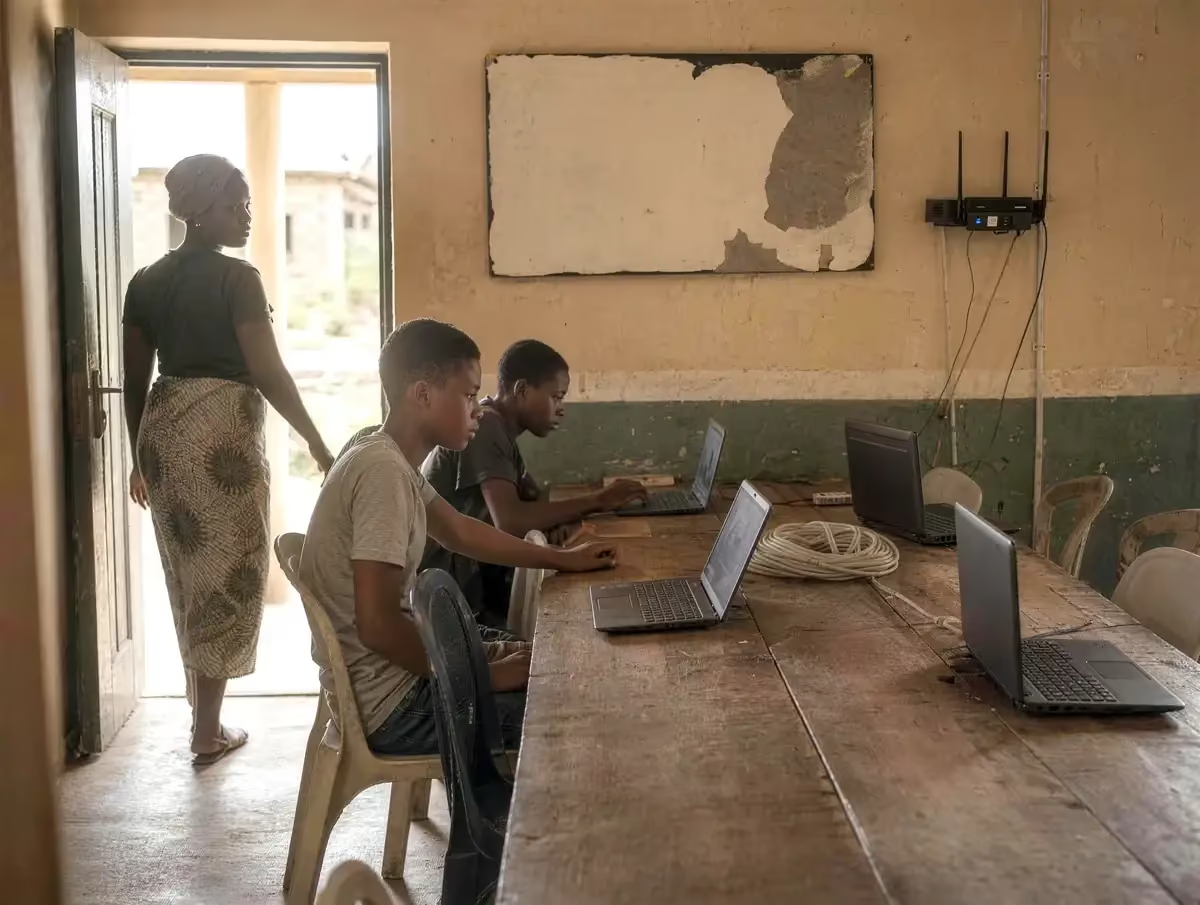
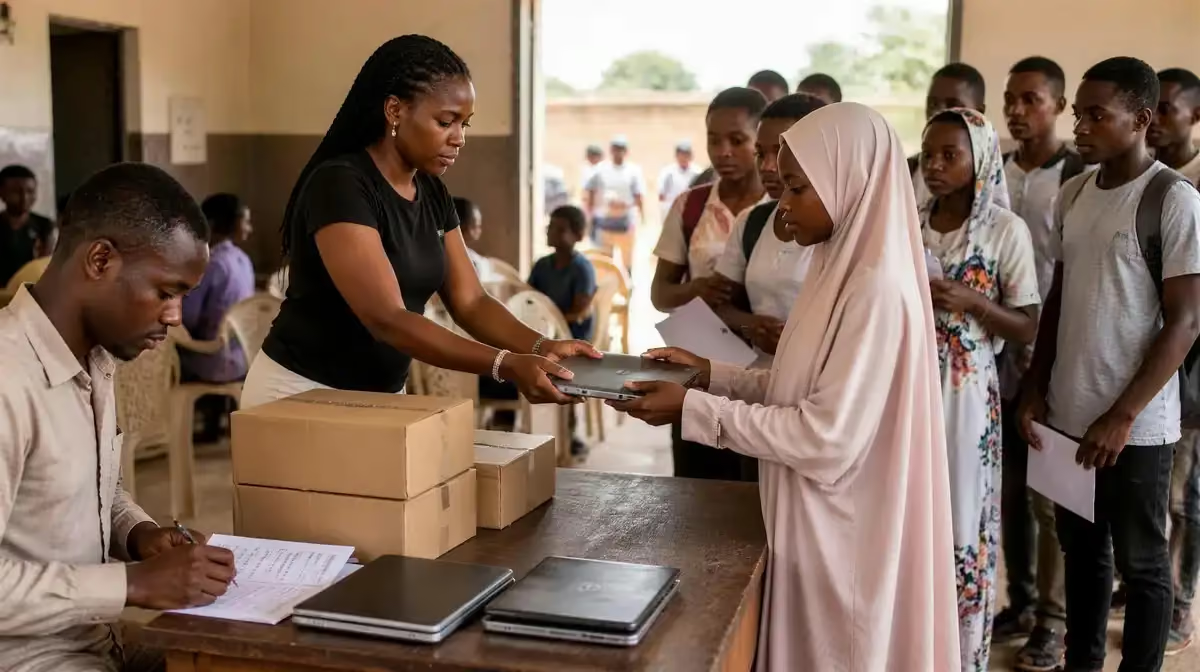
We start with what a community asks for, keep the technology boring and reliable, and measure whether people come back.
Each hub begins with a listening session and a written agreement with the market association or community group that hosts it. Facilitators complete a four-week course in digital literacy teaching, safeguarding and basic device maintenance before opening day. Hubs run on solar batteries with a grid fallback and use pooled data plans negotiated with a connectivity partner. Usage is logged without personal data so that we can see what is working.
Six shared laptops and free internet access for learners
A trained facilitator from the community, six days a week
Short drop-in sessions on payments, records and online safety
Printing and scanning for forms and applications
A referral route into the Digital Futures Skills Programme
Aims and objectives this programme serves
01 · Digital literacy
02 · Educational equality
05 · Tools, devices and connectivity

Targets, not results. Outcomes will be published here as cohorts complete, with the method used to measure them.