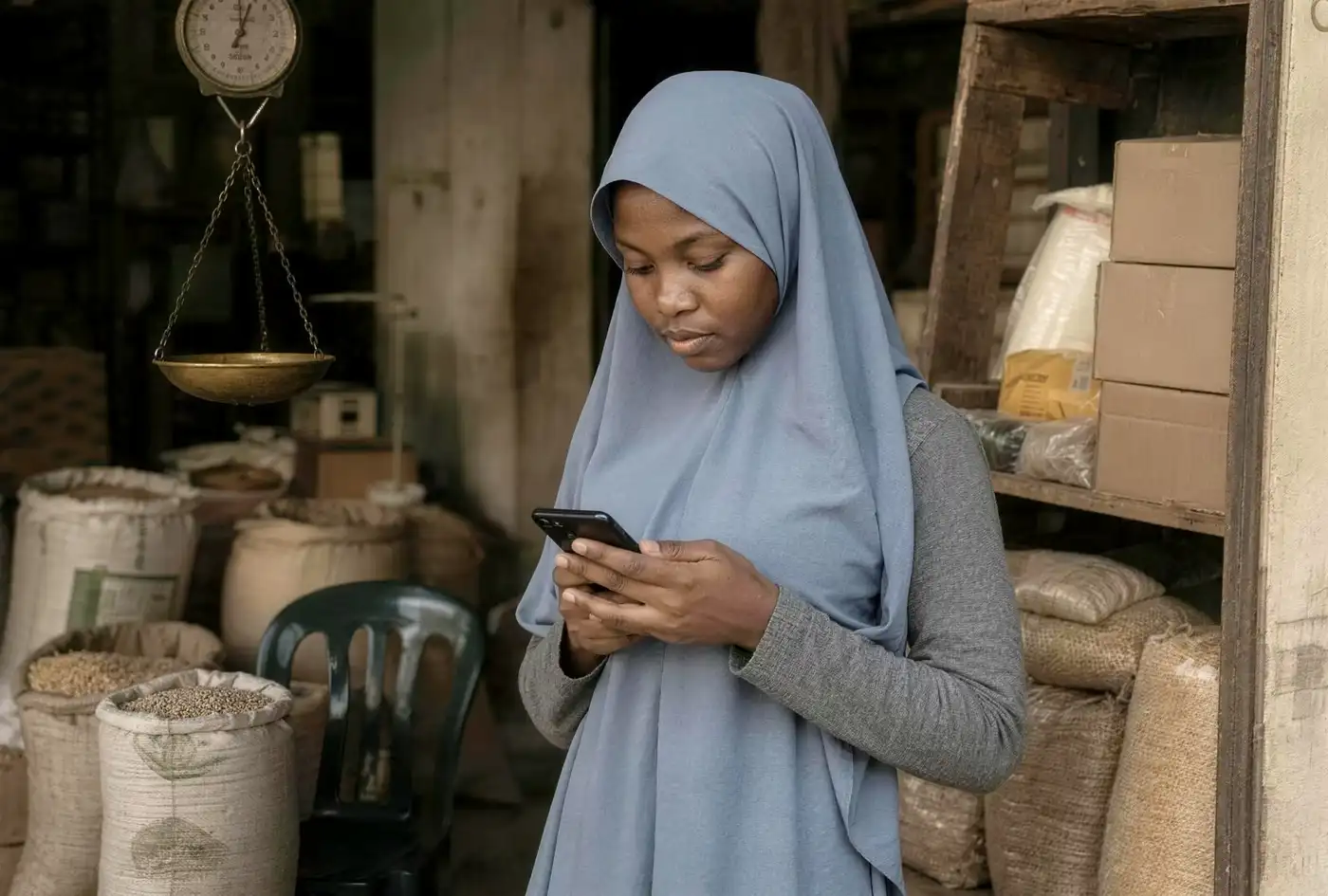
Community listening sessions, Lugbe
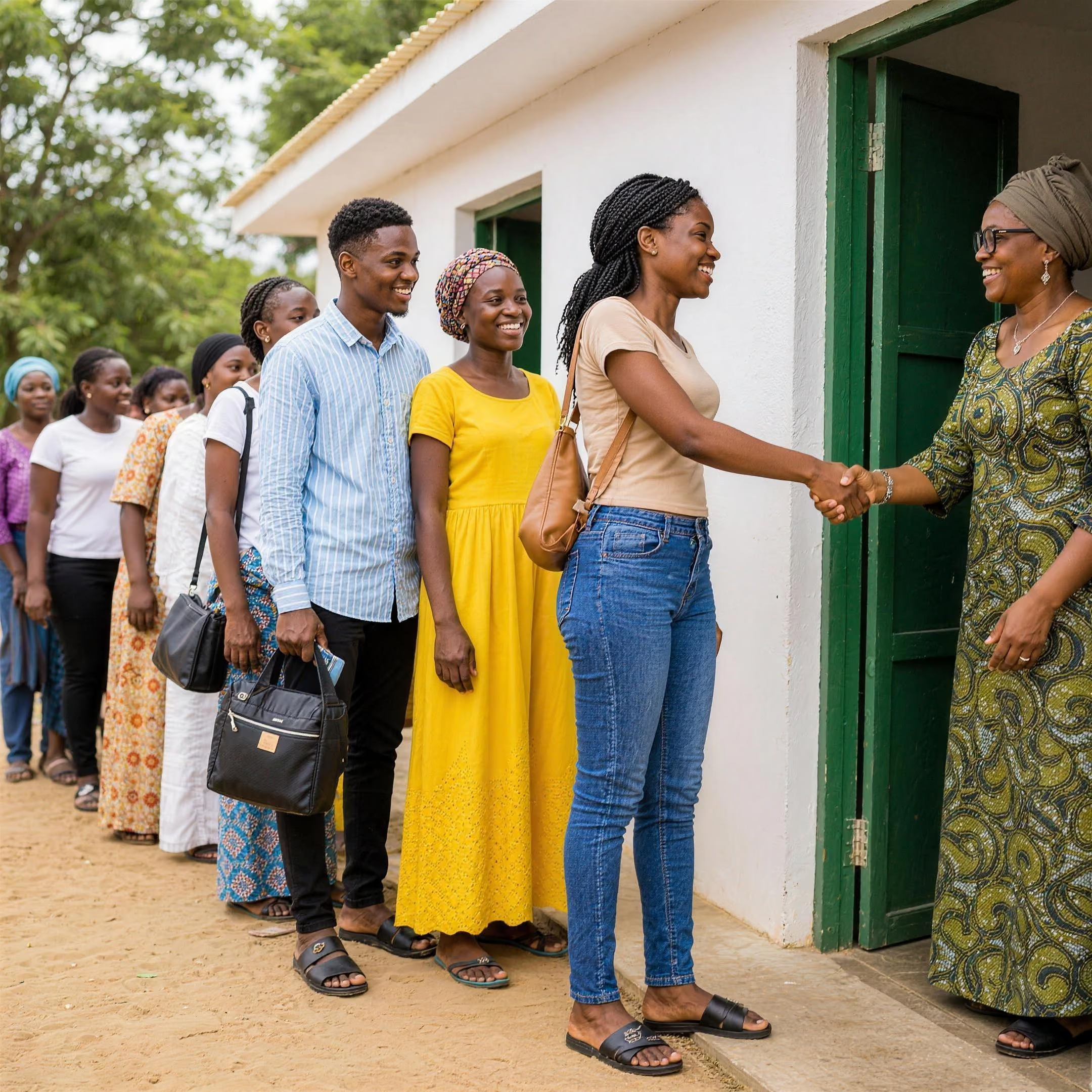
Before we open a hub, we ask. Three open sessions in Lugbe for residents, traders and community leaders to say what a Community Connect Hub should offer, where it should be, and who should run it.
Before we open a hub in Lugbe, we are holding three open sessions for residents, traders and community leaders to tell us what a Community Connect Hub should offer, where it should be, and who should run it. Anyone who lives or works in the area is welcome.
Why we are doing this first
A hub is a building, six laptops, a connection and a person. Four decisions determine whether it gets used: where it goes, when it opens, what it teaches first, and who stands behind the desk. All four are things the community knows and we do not.
Shared access points have been tried in Nigerian communities before, and many of them closed. The reasons are rarely mysterious to the people who live there. Somebody in Lugbe can tell us, in ten minutes, why the last one did not work. That conversation is cheaper than repeating the mistake and considerably more respectful.
What we will ask
Each session is built around four questions, and we will spend most of the time listening rather than presenting.
- Where should it be? Inside the market, near the school, at the community centre, somewhere else. What is a walk people will actually make, and who is excluded by each option.
- When should it open? Trading hours, school hours, prayer times and the hours when women in particular can realistically attend are all different, and they conflict.
- What should it teach first? We have a curriculum. We would like to know which parts matter now and which can wait.
- Who should run it? Facilitators are recruited from the community and paid by the Foundation. Who the community would trust in that role is a question only the community can answer.
Format
Each session lasts two hours and is held in Hausa and English. There is no presentation to sit through and no sign-up form at the door. Seating is arranged in a circle rather than in rows facing a speaker, which sounds like a small thing and is not.
We will hold one session at a time that suits traders, one that suits people in salaried work, and one specifically convened with the women’s association, because in mixed sessions the questions that matter most to women often go unasked.
What happens to what you say
Every session ends with a written summary, shared back to everyone who attended and to the community association, within two weeks. The summary records what was said, including disagreement, and what we intend to do about it.
Where we cannot do what was asked, the summary says so and explains why. A listening exercise that only reports the suggestions it was already planning to follow is not listening, and people can tell the difference immediately.
We take no names, no phone numbers and no photographs of attendees without explicit permission asked at the time.
Dates and venue
Dates and the venue will be confirmed on this page and through the community association, with at least two weeks’ notice. If you would like to attend but none of the times work, tell us through the contact form and we will try to arrange a fourth session.
After the sessions
What comes out of Lugbe feeds directly into the hub design, and alongside the baseline study it shapes where the first Community Connect Hubs open. If the sessions tell us Lugbe is the wrong place to start, that is a useful answer and we will act on it.