Baseline study: digital access in six Abuja communities, 2026
The evidence base for where we work first, how the study is being carried out, and the numbers we will measure ourselves against.
Before opening a hub or recruiting a single cohort, the Foundation is surveying households in six communities across the Federal Capital Territory to understand who is online, who is not, and why. This article sets out what the study asks, how it is being carried out, and what we will do with the answers.
Why start with a survey
It is easy to assume you know what a community needs. Digital inclusion work in Nigeria has a long history of arriving with a solution already in the van: a computer lab with no electricity budget, a training course scheduled during market hours, a platform that assumes a data plan nobody can afford. Each of those projects was well meant. Each failed for a reason that a week of asking would have surfaced.
We are a new organisation with no programme history to draw on. That is a disadvantage in most respects, but it does mean we can start with the question rather than the answer. The baseline study exists so that the first hub we open is placed where people asked for it, opens at hours they can actually attend, and teaches the things they said they needed first.
It has a second purpose. Everything we publish afterwards is measured against this starting point. Without a baseline, an impact claim is just an anecdote with a number attached.
What the study covers
The questionnaire is built around four areas.
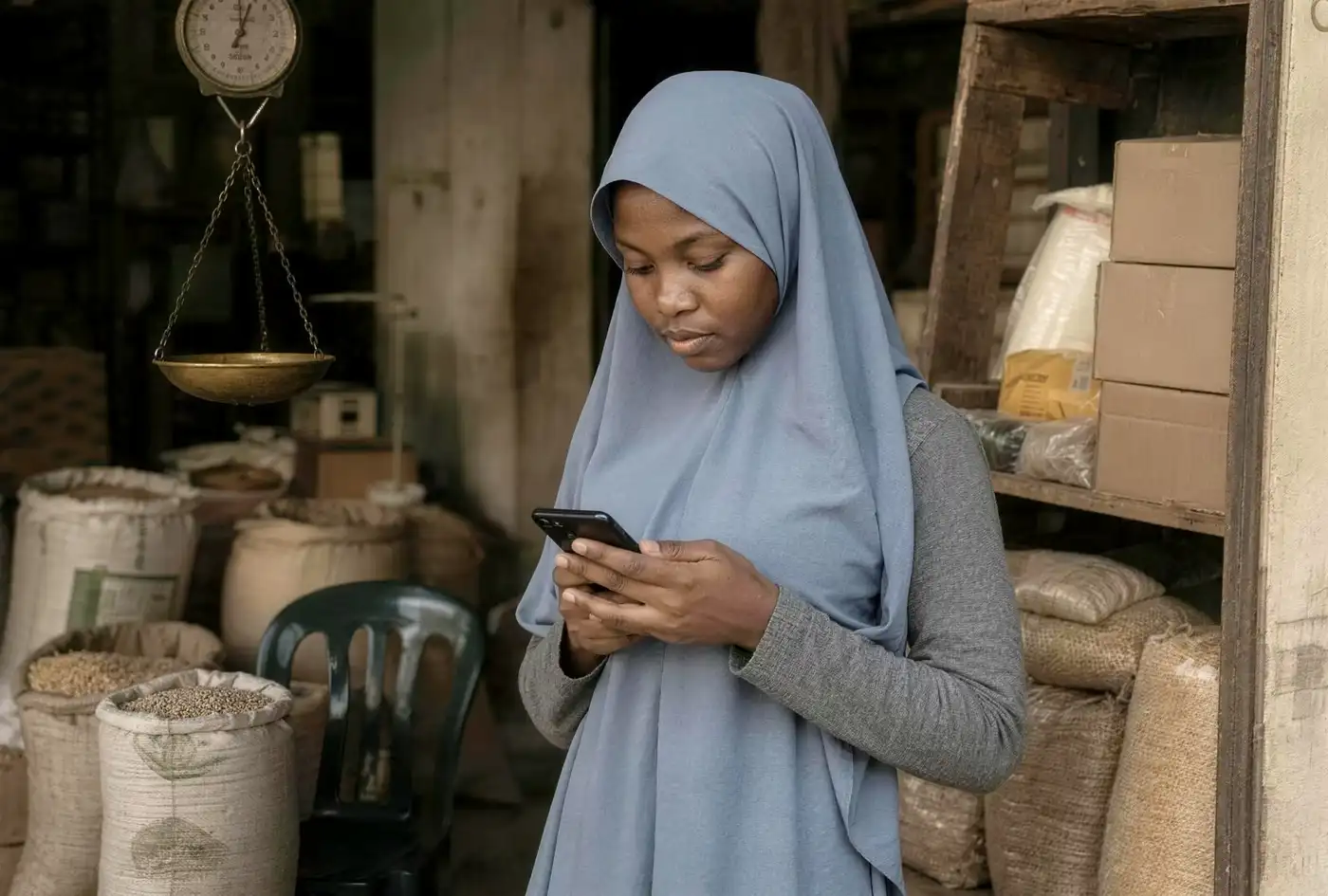
Access. What devices are in the household, who owns them and who is allowed to use them. Whether there is electricity, how reliable it is, and what charging a phone costs when there is none. Which networks have usable coverage at the house rather than on the main road.
Cost. What the household spends on data and airtime in a typical month, as a share of what it spends on everything else. We ask this carefully and in local terms, because the honest answer is often not a figure people carry in their heads. Cost is the constraint that quietly decides who is online, and it is the one most often left out of digital inclusion surveys.
Skills and use. What people can already do, broken down by age and by gender, and what they want to be able to do. We distinguish between using a phone and using a computer, because they are not the same skill and the gap between them turns out to matter a great deal.
Attitudes to shared access. Whether a shared hub is something people would use, who they would trust to run it, where it should be, and what would stop them coming. Several communities have had a shared access point before. We ask what happened to it.
How the fieldwork is done
The six communities were chosen to span the range of the Federal Capital Territory rather than to represent it statistically: peri-urban settlements, an established market area, and communities on the edge of the city where services thin out. This is a purposive sample, not a random one, and the report will say so plainly. It is designed to tell us where to start work, not to produce a national estimate.
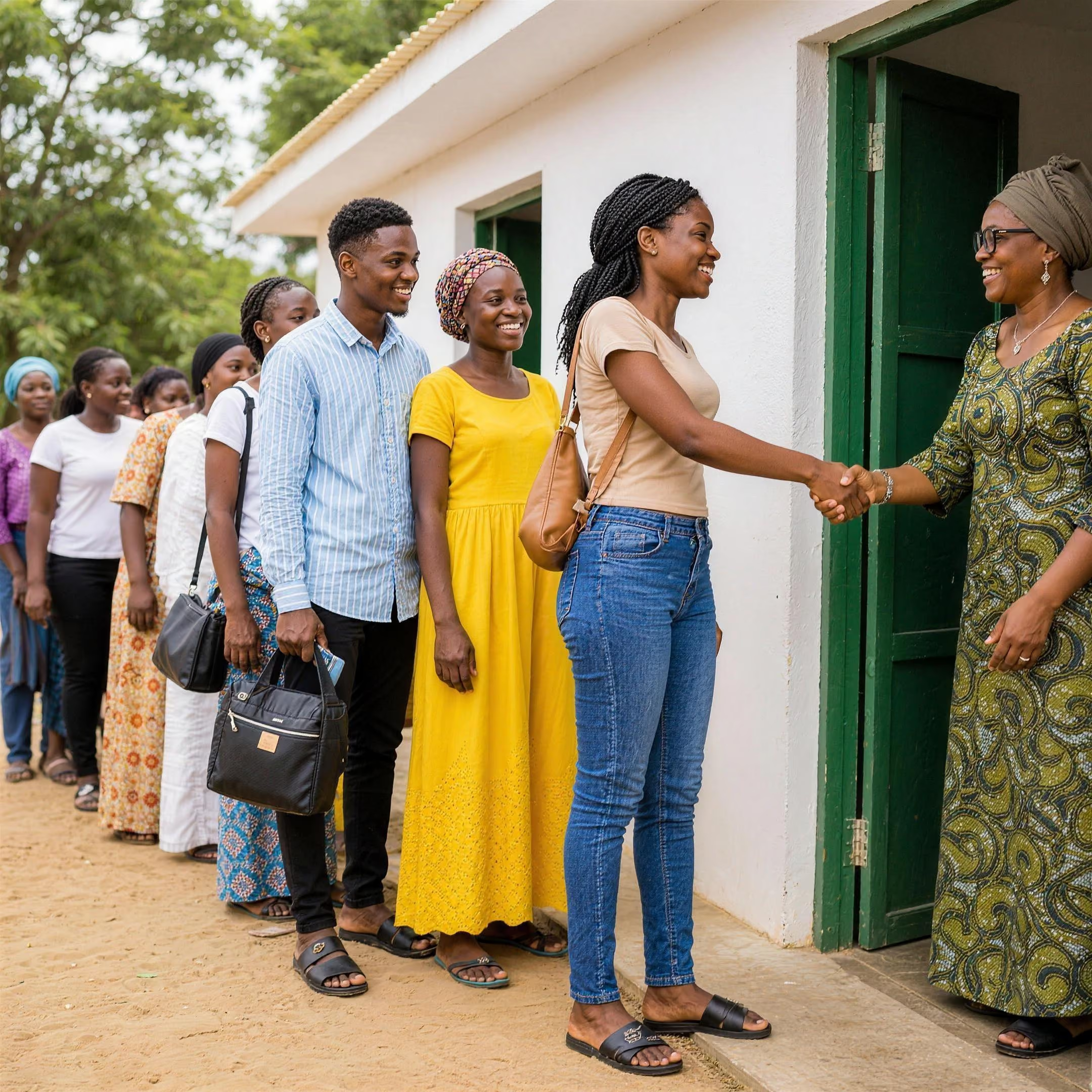
Fieldwork is carried out with the community association in each location. They introduce the enumerators, advise on timing so that we are not knocking on doors during trading hours or prayers, and review the questionnaire before it is used. Enumerators are recruited locally and trained together, and interviews are conducted in Hausa, Yoruba, Igbo, Pidgin or English according to the household’s preference.
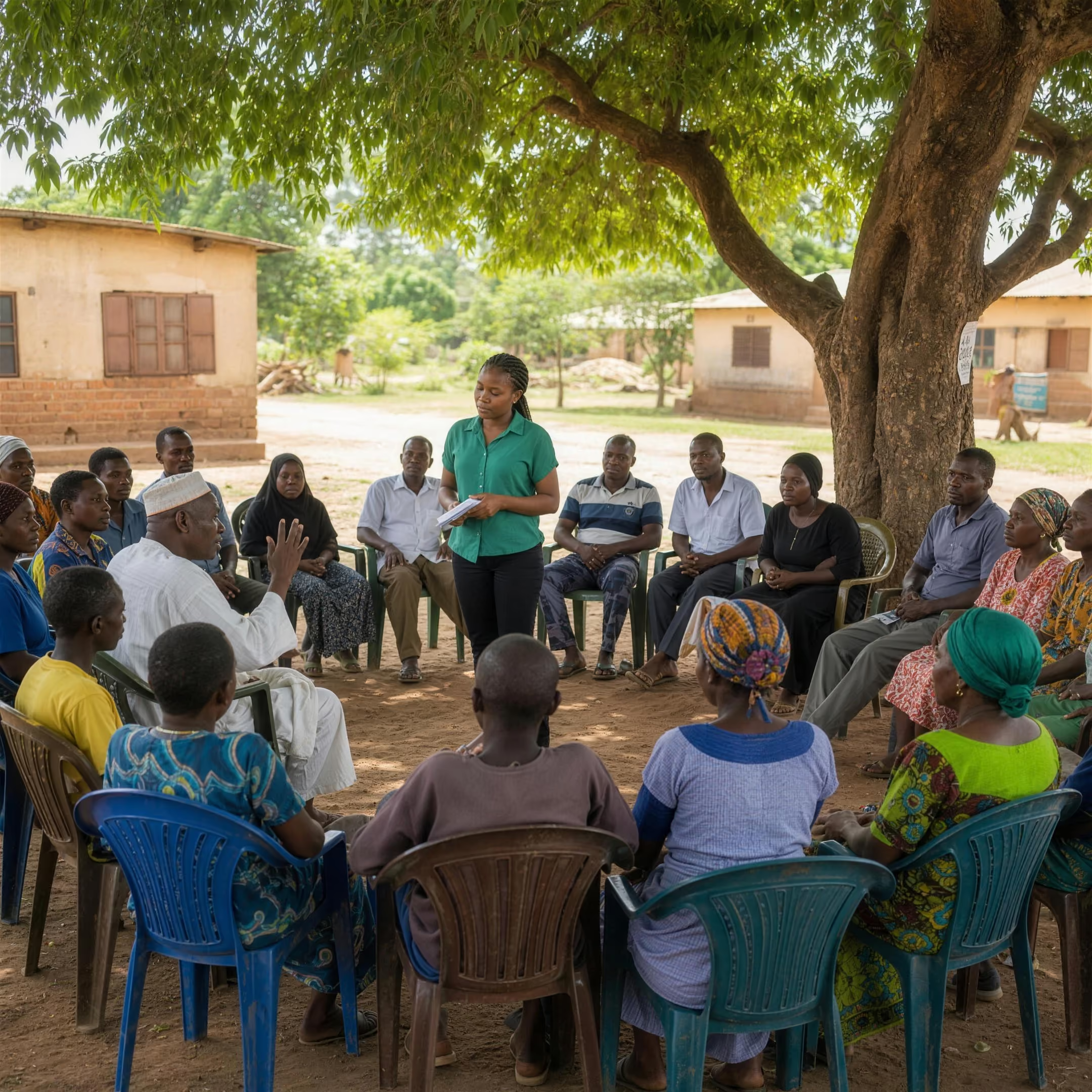
Alongside the household survey we hold a small number of longer group conversations in each community, with women traders, with young people who have left school, and with people who do not use the internet at all. The last group is the hardest to reach and the most important to hear. Surveys of digital access have an obvious bias: the people most excluded are the least likely to be found by a survey that assumes a phone.
Consent, privacy and who owns the data
Nobody is surveyed without understanding what the survey is for. Participation is voluntary, no payment is offered for answers, and anyone can stop at any point or decline a question without giving a reason. We collect no names, no phone numbers and no household identifiers. Location is recorded at community level only.
We process what we collect in line with the Nigeria Data Protection Act 2023. Anonymised data tables will be published openly so that other organisations, researchers and the communities themselves can use them. The community associations receive a plain-language summary of their own community’s results before anything is published anywhere else.
What we will publish
Findings will appear here with the full method, the questionnaire as it was administered, the sampling approach and its limitations, and the anonymised data tables. We will publish the questions that did not work as well as the ones that did, and we will say where the numbers are uncertain.
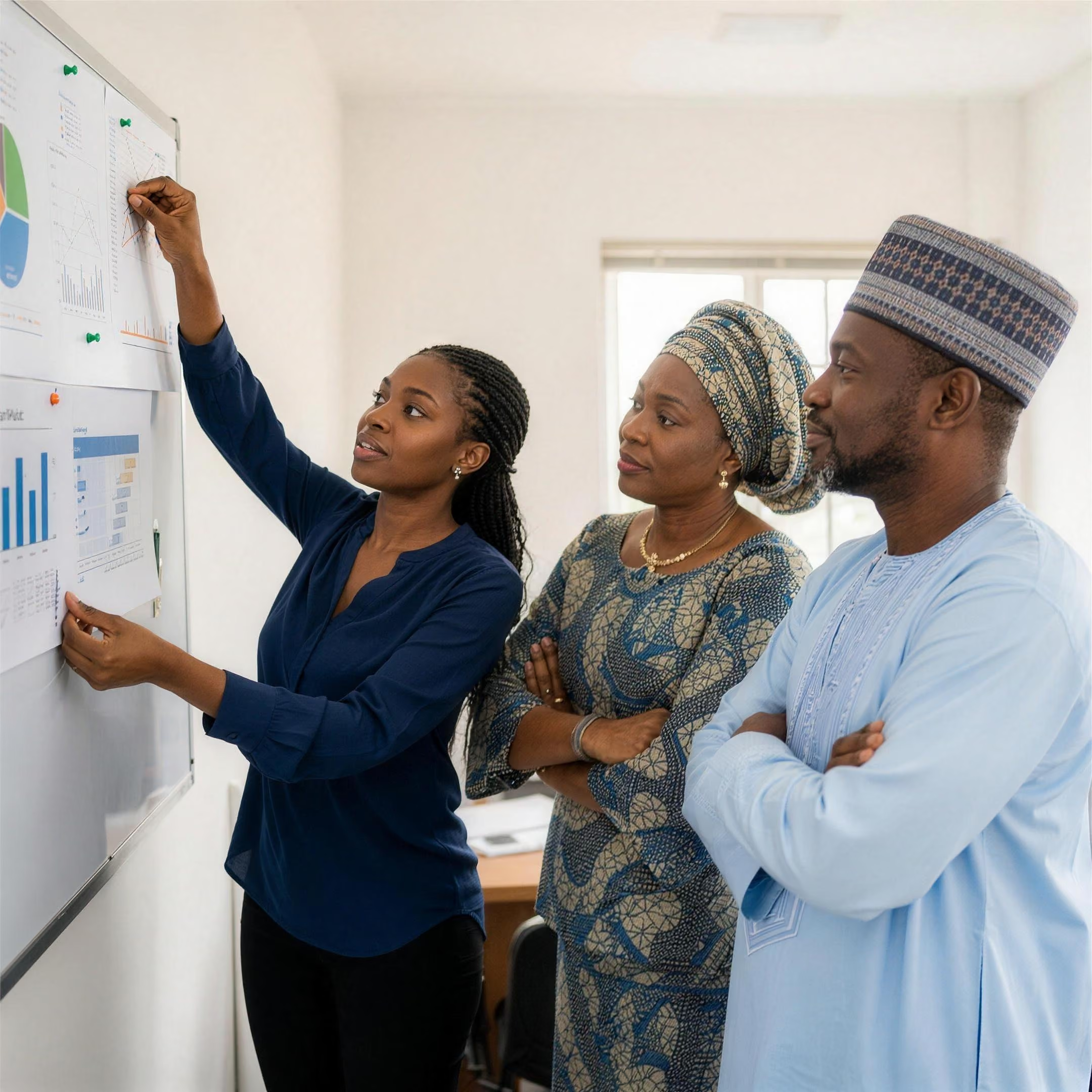
We will also publish what the study changes. If the results contradict an assumption in one of our programme designs, the programme design changes and this page will record what changed and why. A baseline study that confirms everything the organisation already believed is usually a sign that the wrong questions were asked.
What happens next
The study informs three decisions: where the first Community Connect Hubs open, what the first four sessions of the hub curriculum teach, and which of our published 2027 targets need revising before the work begins rather than after. Those targets are commitments, and a commitment made without evidence is not worth much.
If you work in one of these communities, or you are running similar research elsewhere in Nigeria and would like to compare instruments, we would rather collaborate than duplicate. The contact form reaches the research and policy team.