AI for Public Good Fellowship
Nigerian graduates spend a year embedded in state agencies, applying data science to real questions in health, agriculture and education, and building the evidence that digital education policy needs.

Ministries hold more data than they can use. Graduates hold more skill than they can apply. A twelve-month fellowship puts the two together, in the room where decisions are made.
Fellows are recent graduates in statistics, computer science, economics or public health. Each is placed in a federal or state agency for twelve months, paired with a civil servant counterpart and supervised by a Foundation data lead. Projects are chosen with the host agency and must answer a question the agency will act on: school connectivity, clinic stock-outs, crop price signals. Everything fellows build is documented and handed over.
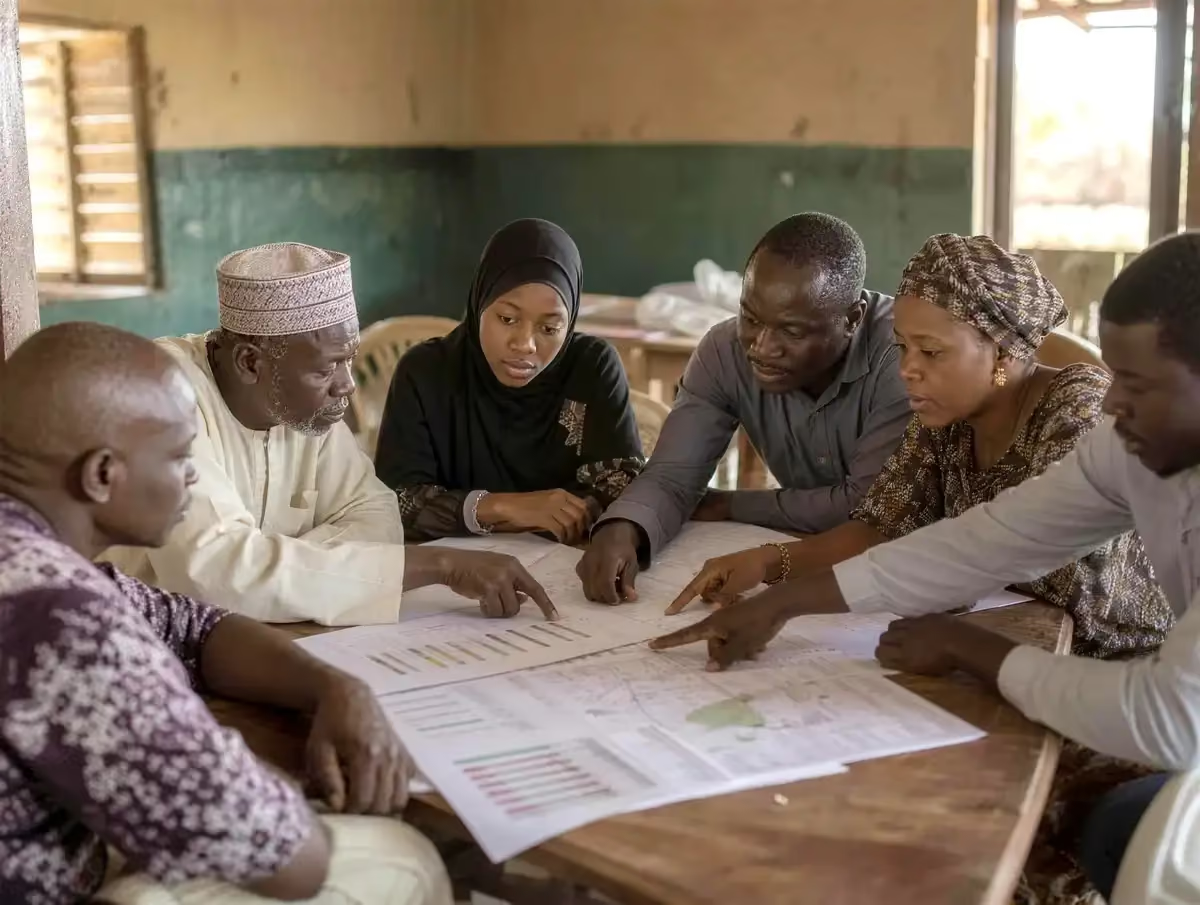
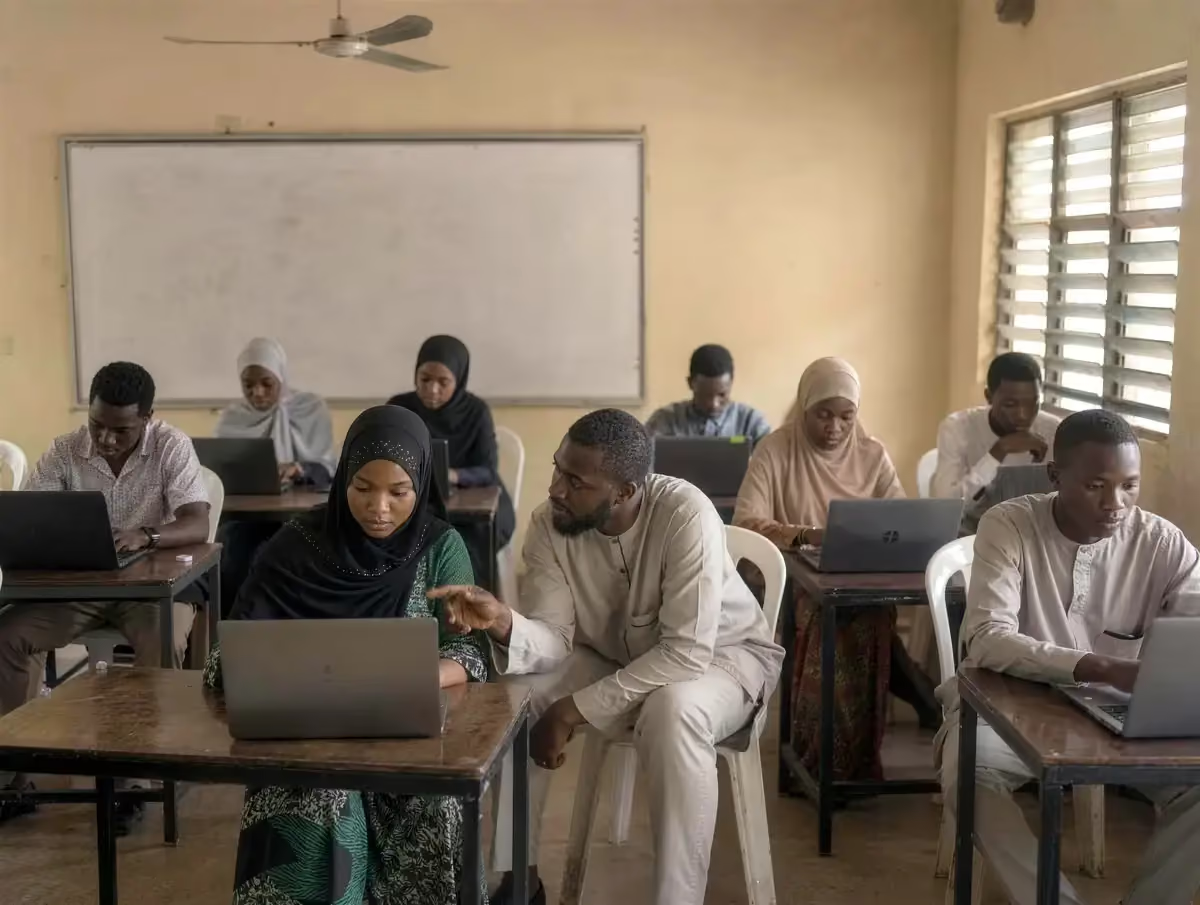
Small teams, plain-language outputs, and a rule that the civil servant, not the fellow, presents the results.
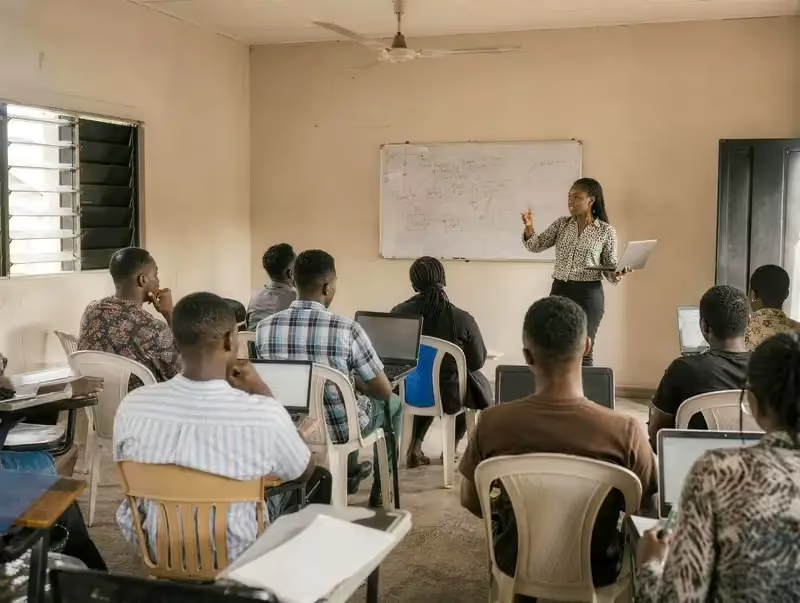
The fellowship starts with a six-week bootcamp on public data, ethics and responsible use of machine learning, then moves into agencies. Fellows meet monthly as a cohort to share methods and problems. Every project is reviewed for privacy and fairness before results are used, and each fellow publishes a short public brief at the end of the year.
A twelve-month stipend and placement in a public agency
A six-week bootcamp in public data, ethics and machine learning
A civil servant counterpart and a Foundation data supervisor
Monthly cohort sessions and a public brief at the end
A pathway into public-sector and research roles
Aims and objectives this programme serves
03 · Monitoring and evaluation
04 · Policy advocacy



Targets, not results. Outcomes will be published here as cohorts complete, with the method used to measure them.