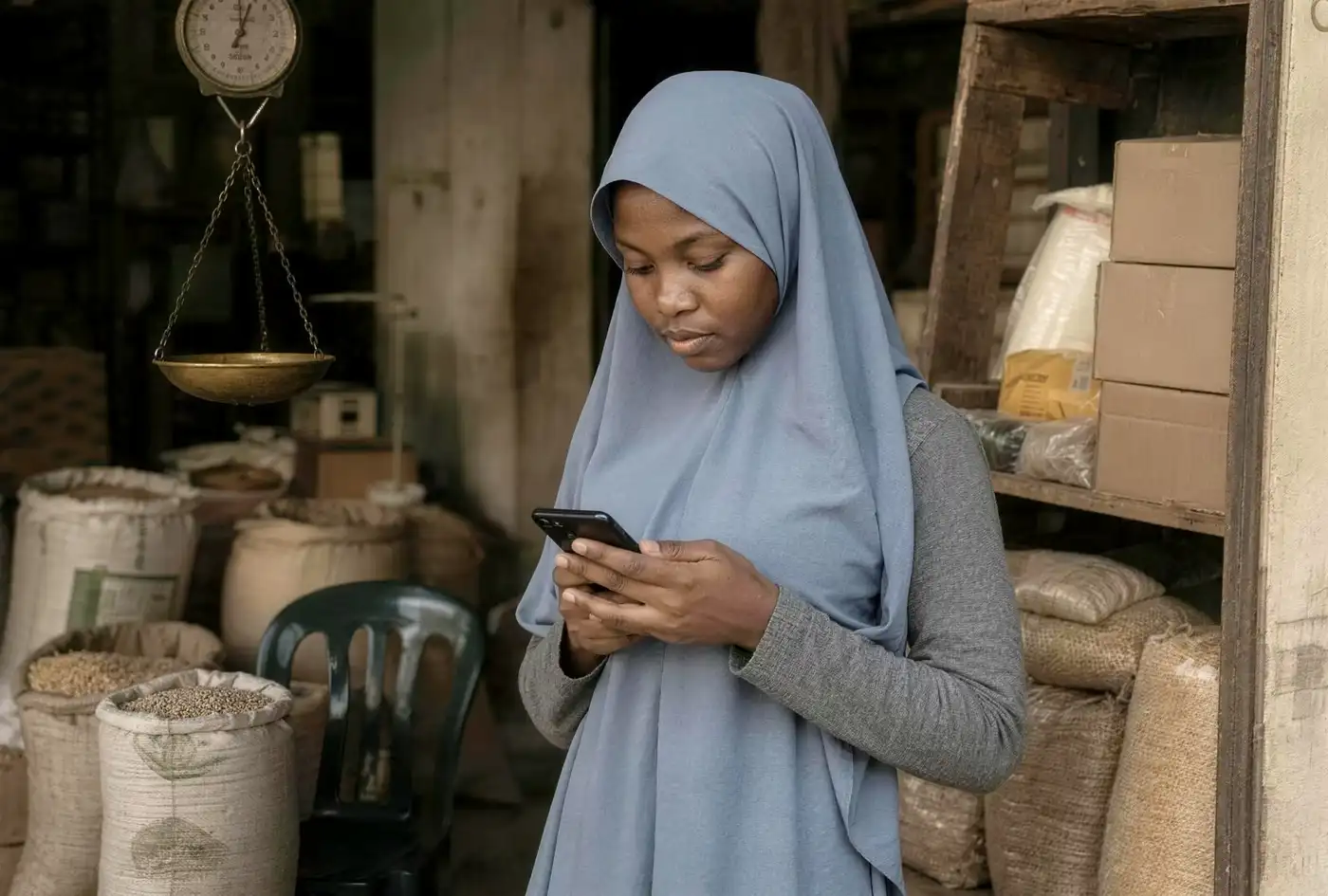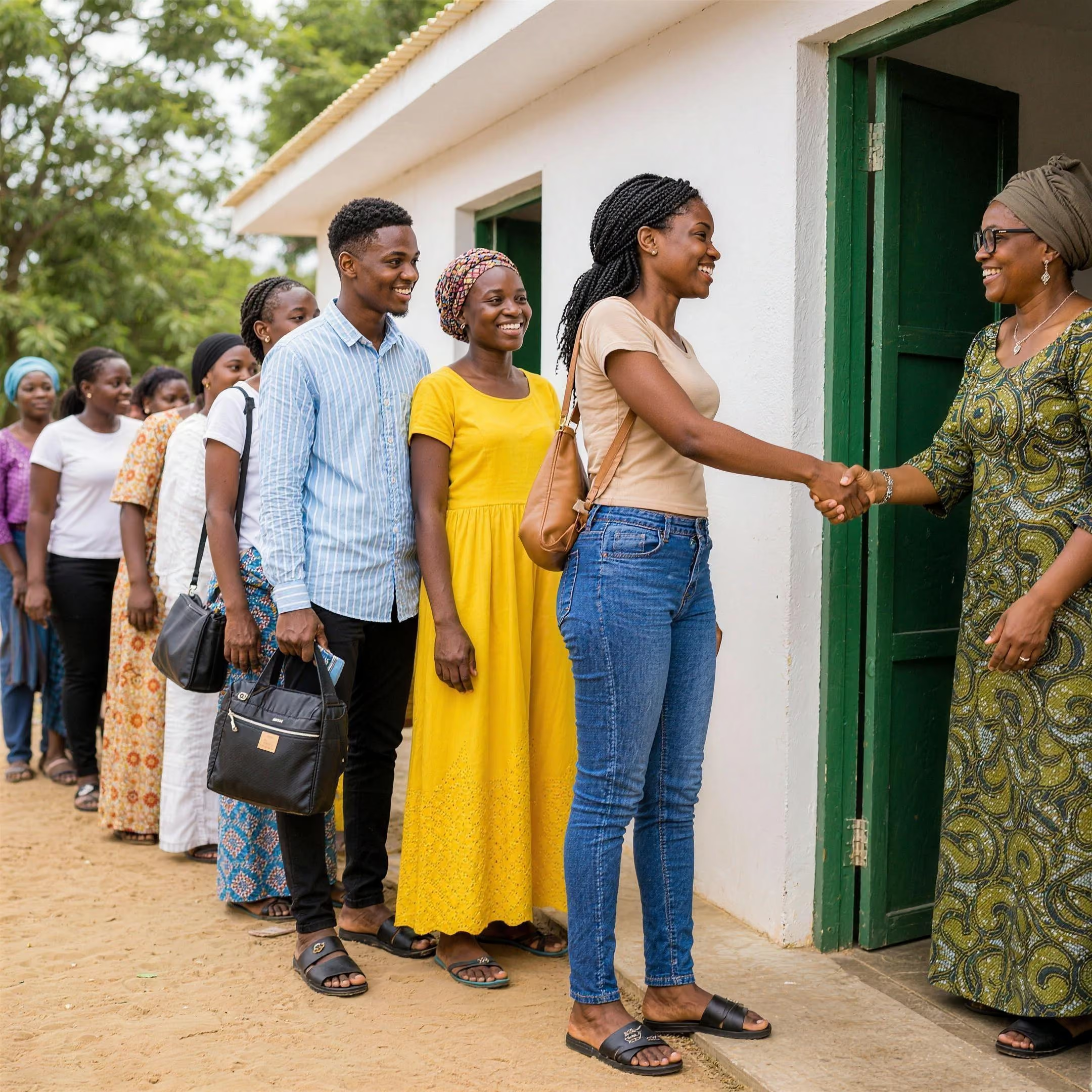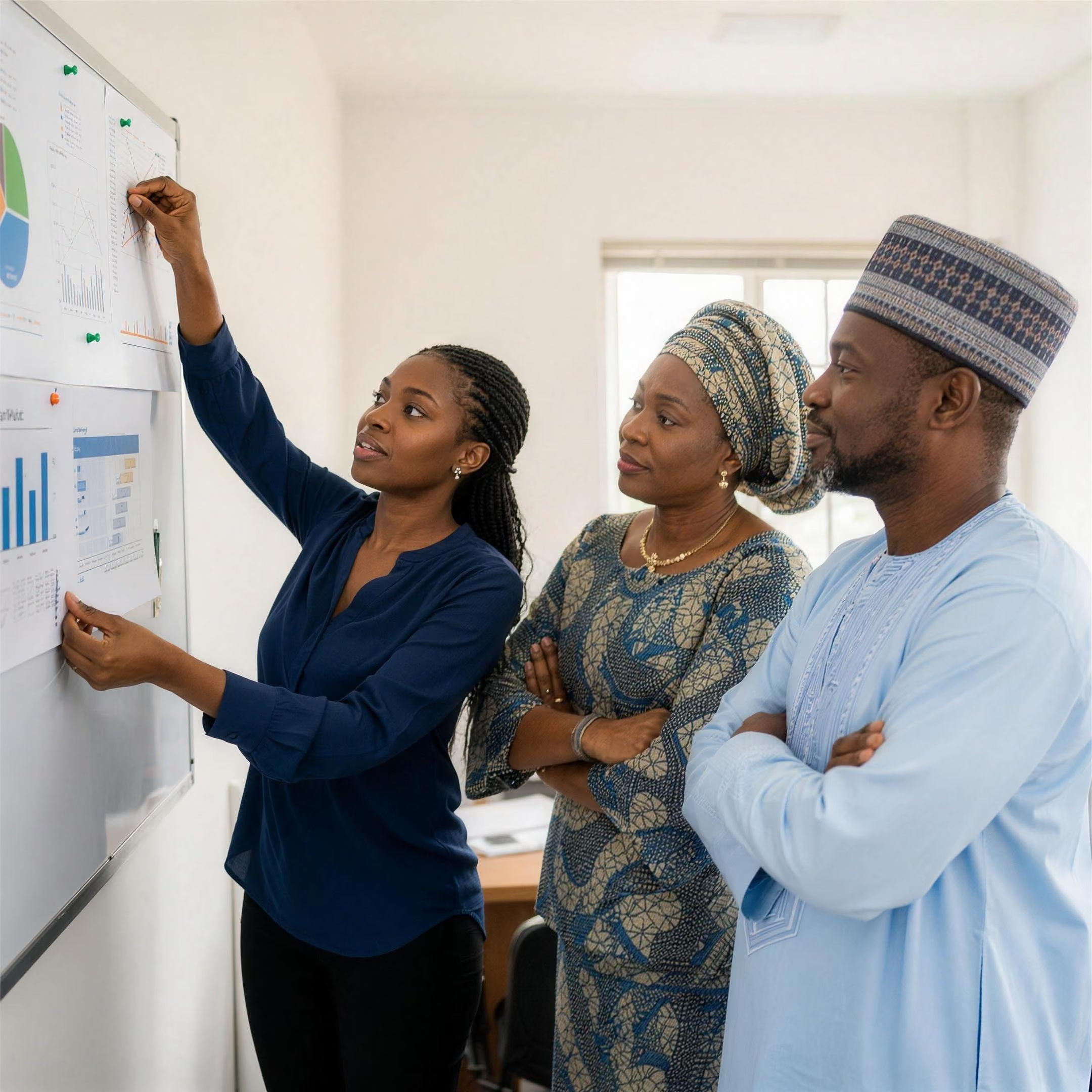

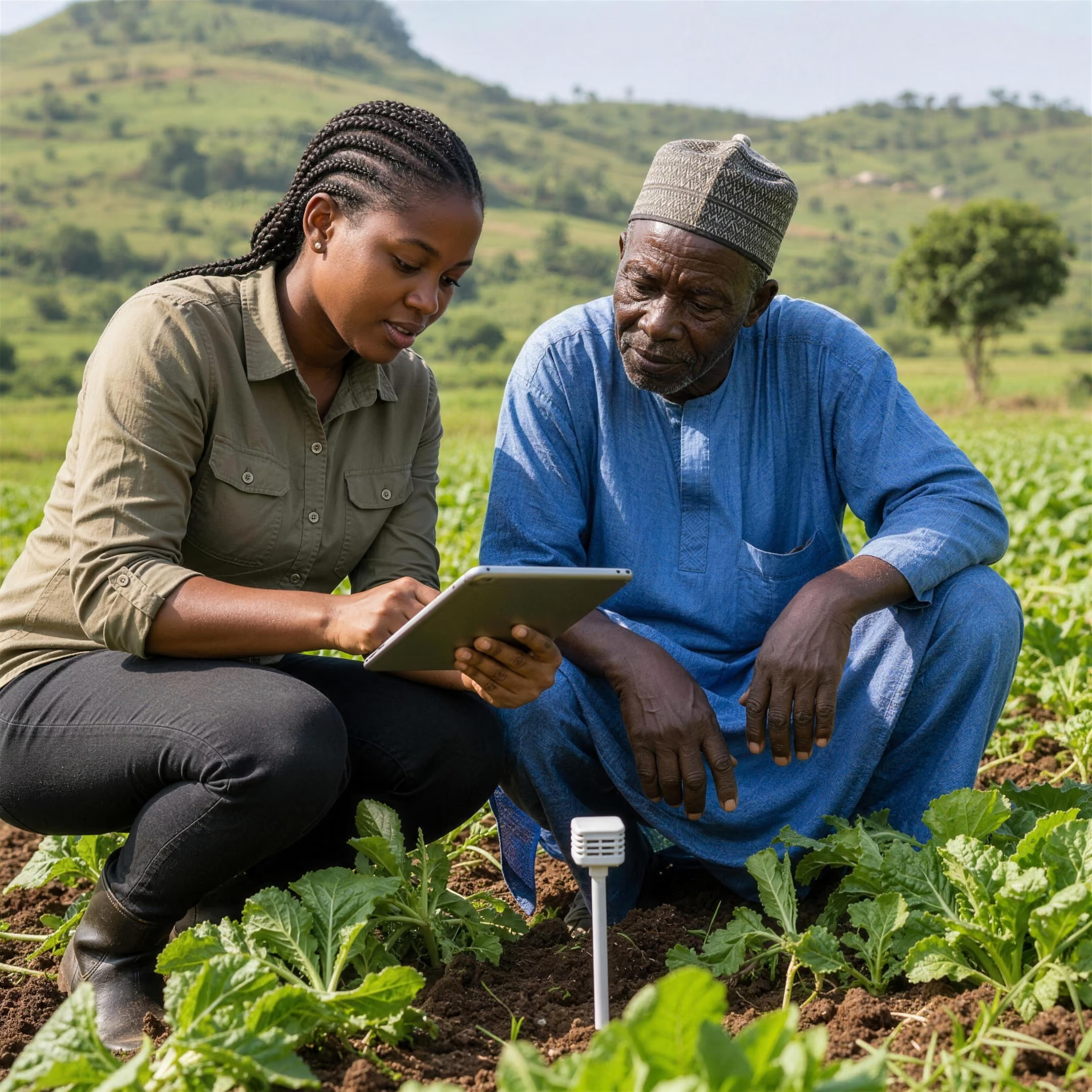
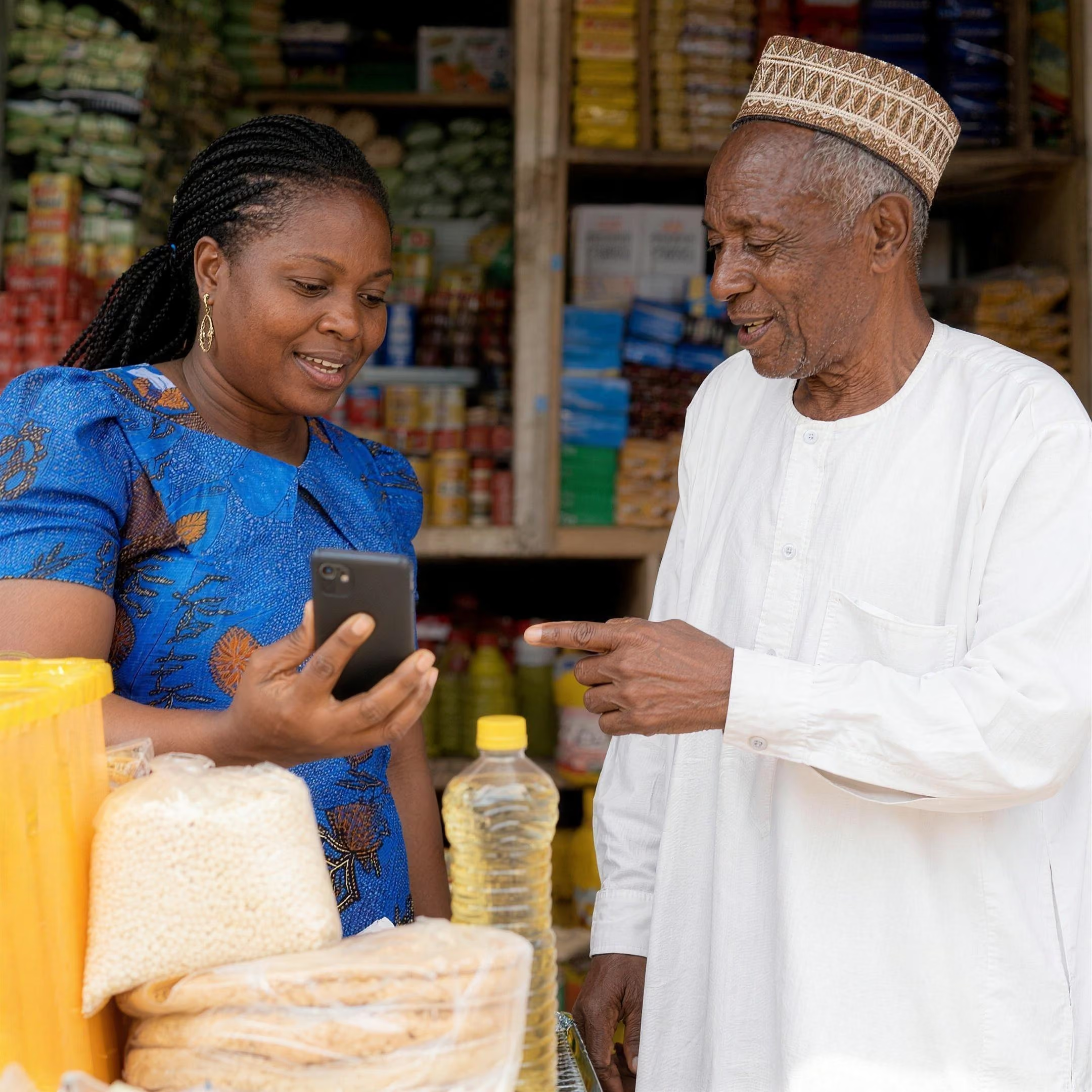

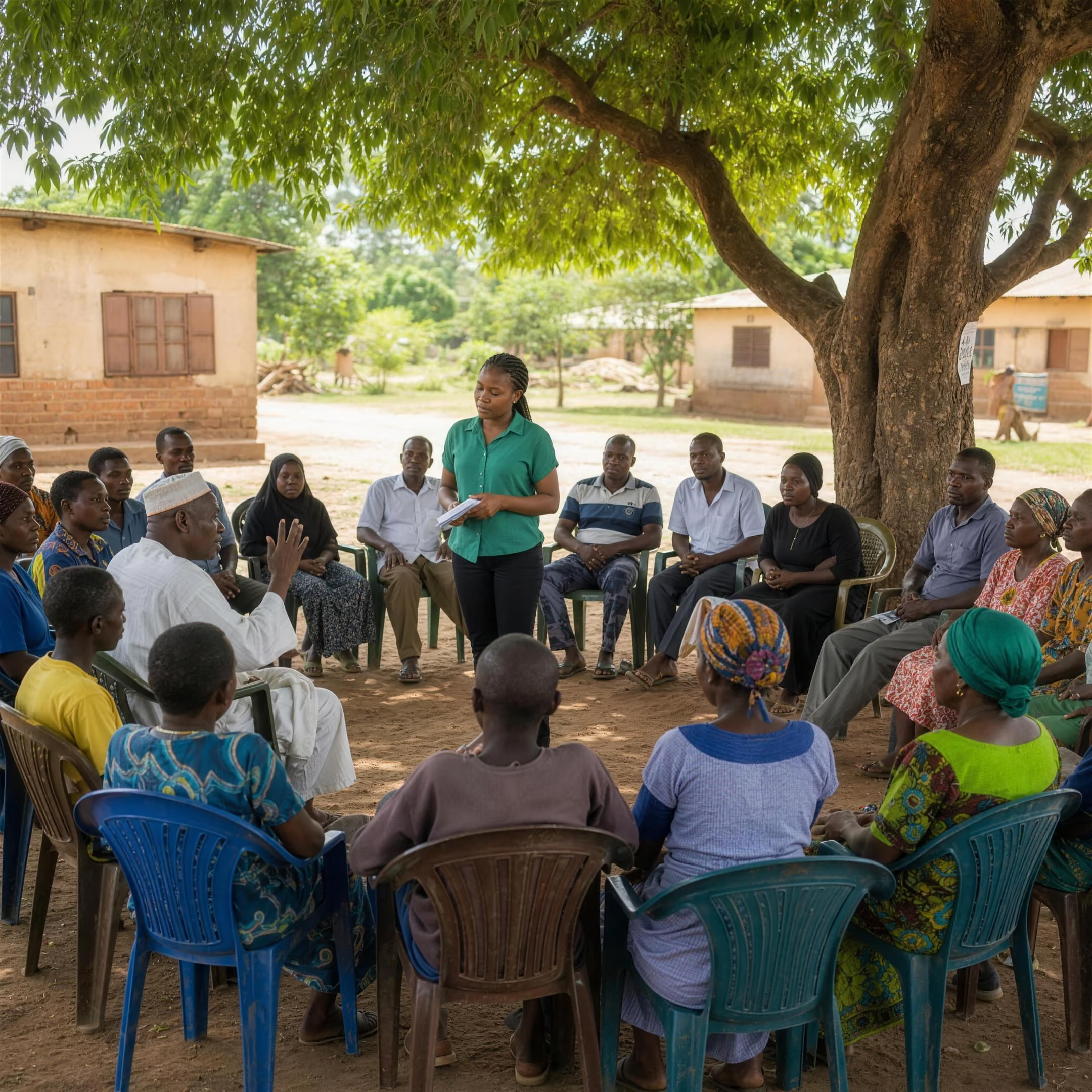
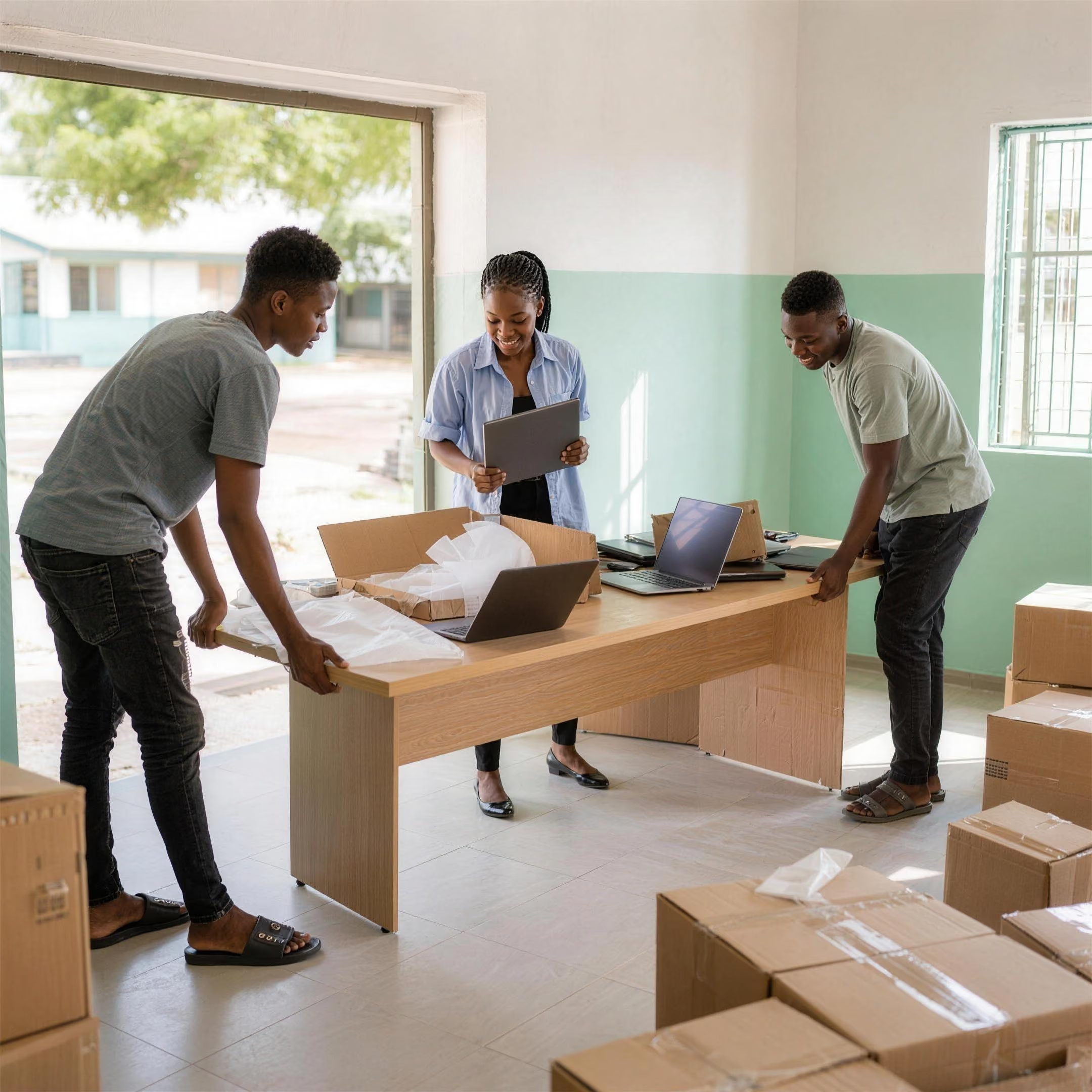
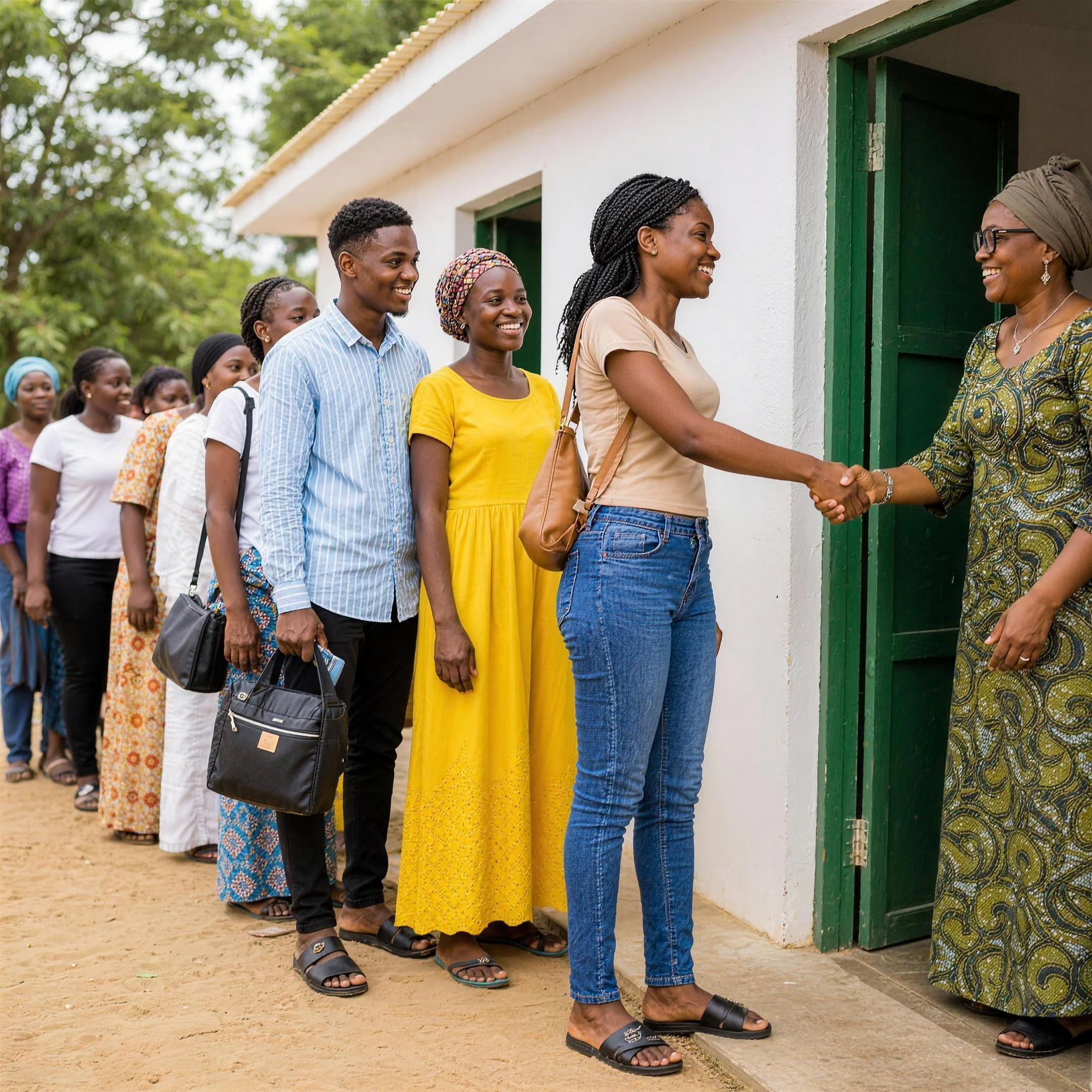
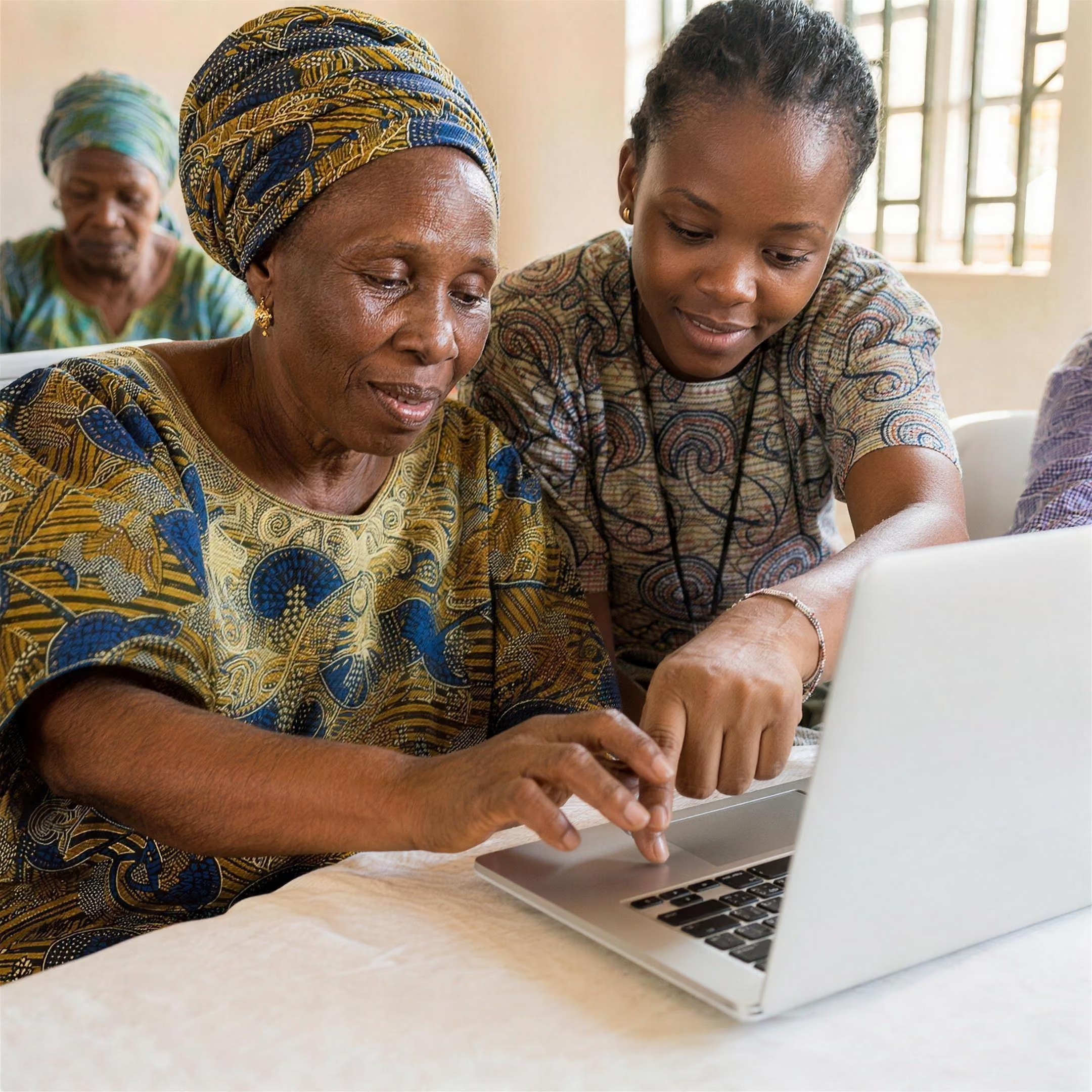
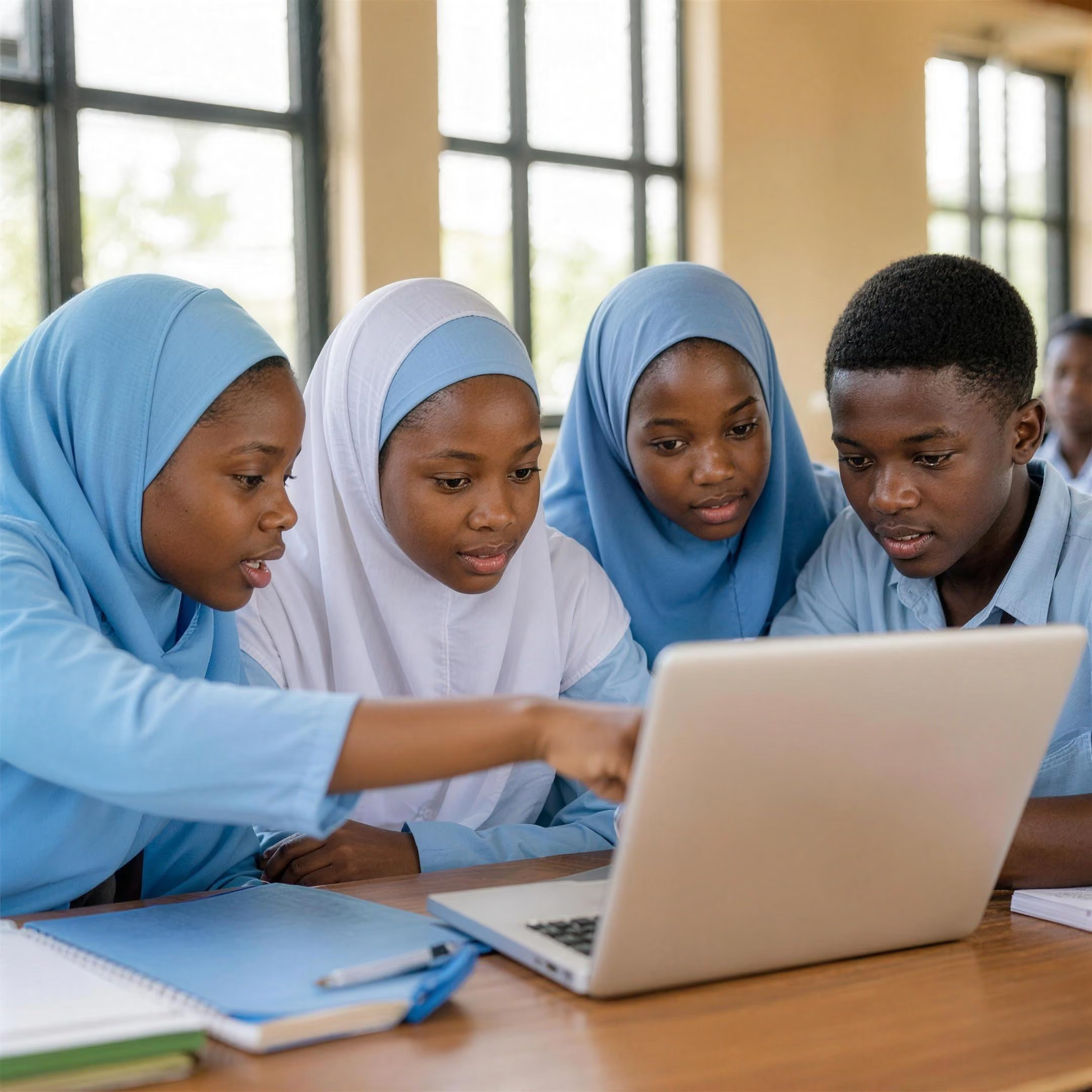
Programmes are designed with the people they serve, delivered through partners with local roots, and evaluated with data-driven methods against targets we publish in advance. We use technology where it helps and skip it where it does not. A working hub in a market beats an app nobody asked for.
Our story
Digital Equity & Innovation Foundation wasestablished in Abuja in 2026 by a group of Nigerian trustees who had watched the digital economy grow around people rather than with them.
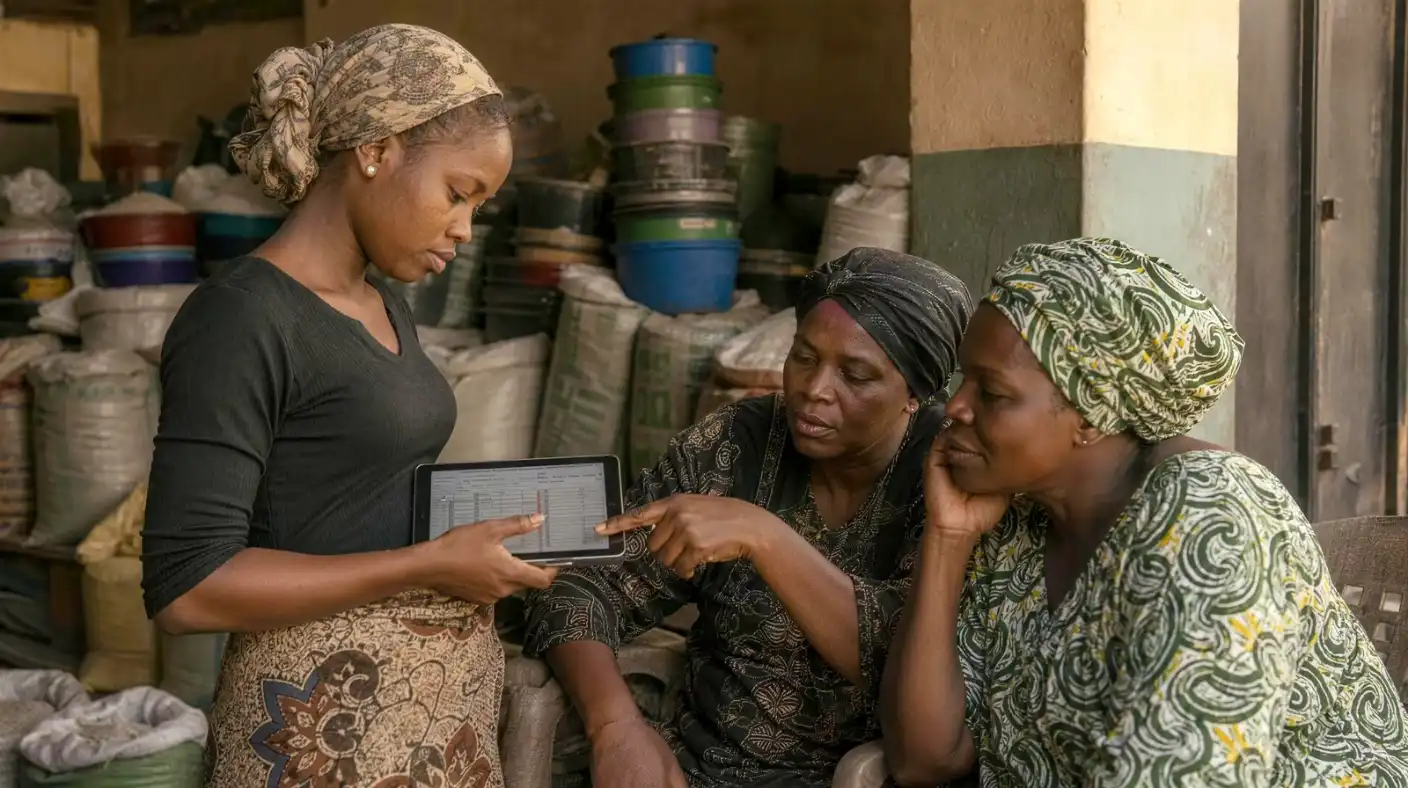
The problem was not a shortage of talent or ambition. It was that devices, connectivity, training and opportunity were concentrated in a few cities and a few households, and that decisions about technology were being made far from the communities most affected.
We were set up to change that in practical ways: free skills programmes that lead somewhere, shared access where people already gather, evidence that policymakers can act on, and a voice for responsible innovation in Nigeria and across Africa.
Our aim is inclusive development: expanding access to skills, knowledge and opportunities so that individuals and communities, particularly youth and women in underserved areas, can participate fully in education, employment and the modern economy. Six aims and objectives, set out below, say how.
Our aim
To promote inclusive development by expanding access to skills, knowledge and opportunities that enable individuals and communities, particularly youth and women in underserved areas, to participate fully in education, employment and the modern economy.
The organisation seeks to strengthen communities by fostering capacity, innovation, ethical leadership and sustainable development opportunities.
Aims and objectives
01
Digital literacy
To promote digital literacy and ensure individuals, especially in marginalised communities, gain fundamental digital skills for education, employment and daily life.
02
Educational equality
To reduce educational inequality by targeting rural areas, low-income groups and disadvantaged populations, ensuring free and equitable access to digital learning resources.
03
Monitoring and evaluation
To monitor and evaluate impact by using data-driven approaches to measure learning outcomes and improve programme effectiveness.
04
Policy advocacy
To advocate for policy change by collaborating with governments, institutions and stakeholders to integrate digital education into national and regional education frameworks.
05
Tools, devices and connectivity
To foster development in education by supporting the adoption of cutting-edge digital tools, AI-driven learning and interactive platforms that enhance free education delivery, and to provide devices and connectivity support through the distribution of laptops, tablets and free internet access to learners in need.
05
Free digital skills training
To create a world where every individual, regardless of socio-economic background, has the opportunity to thrive in the digital age through equitable access to quality education and technological empowerment: free digital skills training and workshops in basic computer skills, digital marketing, web development, data analytics, programming, digital finance and cybersecurity.
Our objects, as filed with the Corporate Affairs Commission
01
Innovative technology
To encourage the development and adoption of innovative technologies to address societal challenges, especially in education, agriculture and healthcare.
02
Quality of life
To improve the quality of life and the environment through technology solutions.
03
Knowledge ecosystem
To create a knowledge-based ecosystem using data science, artificial intelligence and machine learning to solve social policy issues.
04
Digitally skilled youth
To create and empower a new generation of digitally skilful young people who can take advantage of the digital economy of the 21st century.
05
Jobs and growth
To foster job creation and economic growth by promoting technology-driven solutions.
06
Skill acquisition centres
To promote economic self-sufficiency and entrepreneurship by establishing skill acquisition centres for young people.
07
Equitable access
To provide personal growth opportunities to disadvantaged children and young people and ensure equitable access.
08
Advocacy in Africa
To engage in advocacy and promote policies and programmes that facilitate technological development and innovation in Africa.
Partners and affiliations
Government partner
In discussion
Technology partner
In discussion
University partner
In discussion
Development partner
In discussion
Funding partner
In discussion
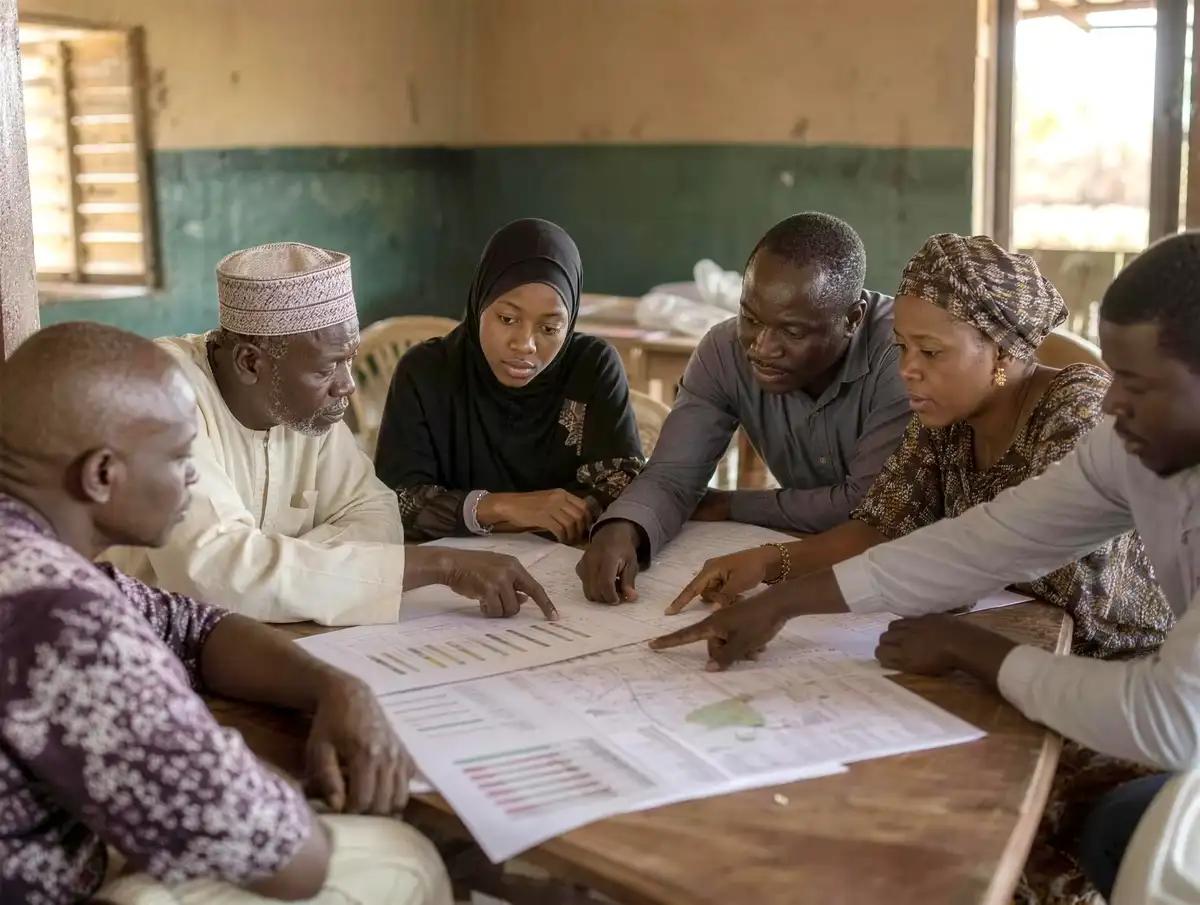
Our approach
We start with what communities already have, measure what actually changes for people, and say plainly what did not work.
What guides us
Mission
To promote inclusive development by expanding access to skills, knowledge and opportunities that enable individuals and communities, particularly youth and women in underserved areas, to participate fully in education, employment and the modern economy.
Vision
A world where every individual, regardless of socio-economic background, has the opportunity to thrive in the digital age through equitable access to quality education and technological empowerment.
Values
Equity first. Evidence over assumption. Built with communities, not for them. Ethical leadership, and openness about what works and what does not. Safe and responsible by design.
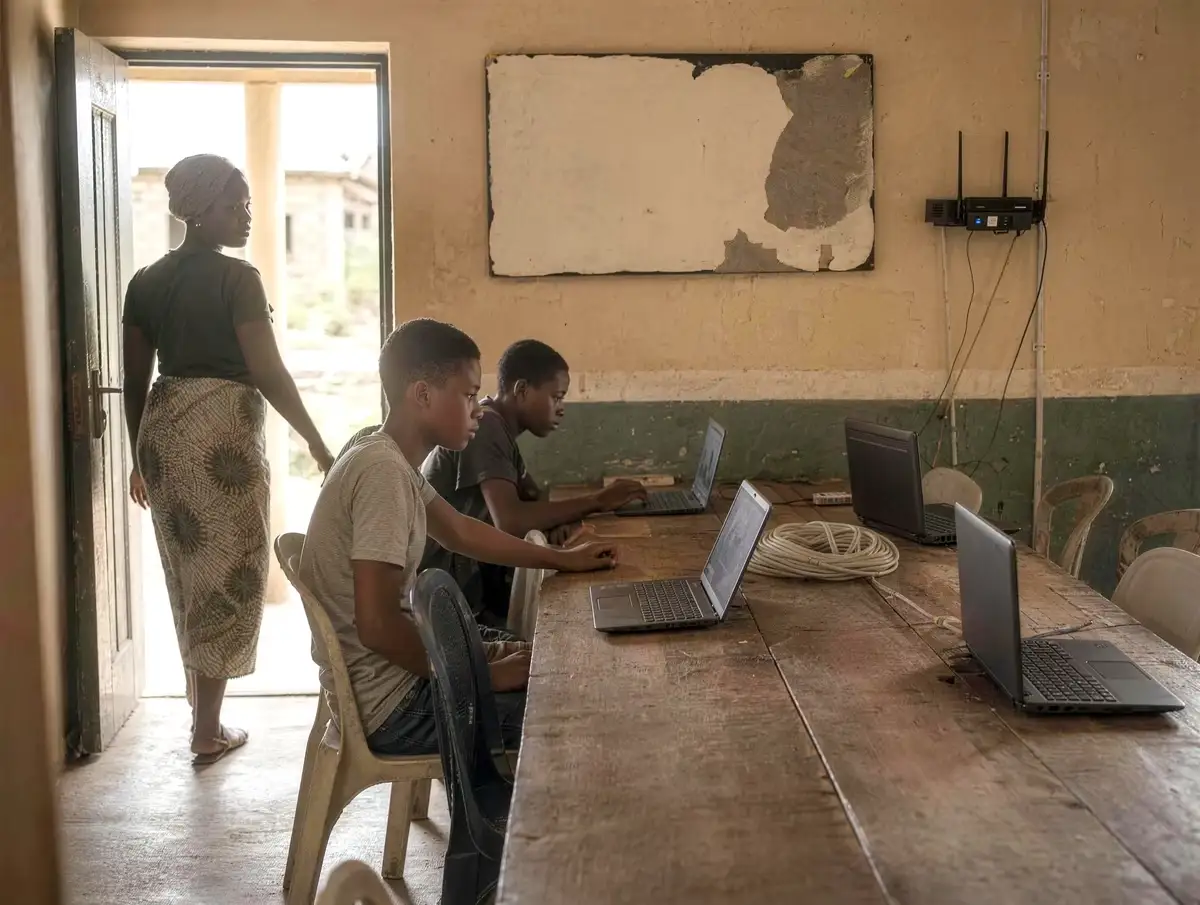
Leadership and team
Seven trustees, named in the Foundation's incorporation filing. Staff and advisers will belisted here as they join.
Portraits and short biographies will be added with each trustee's approval. No other personal details are published.
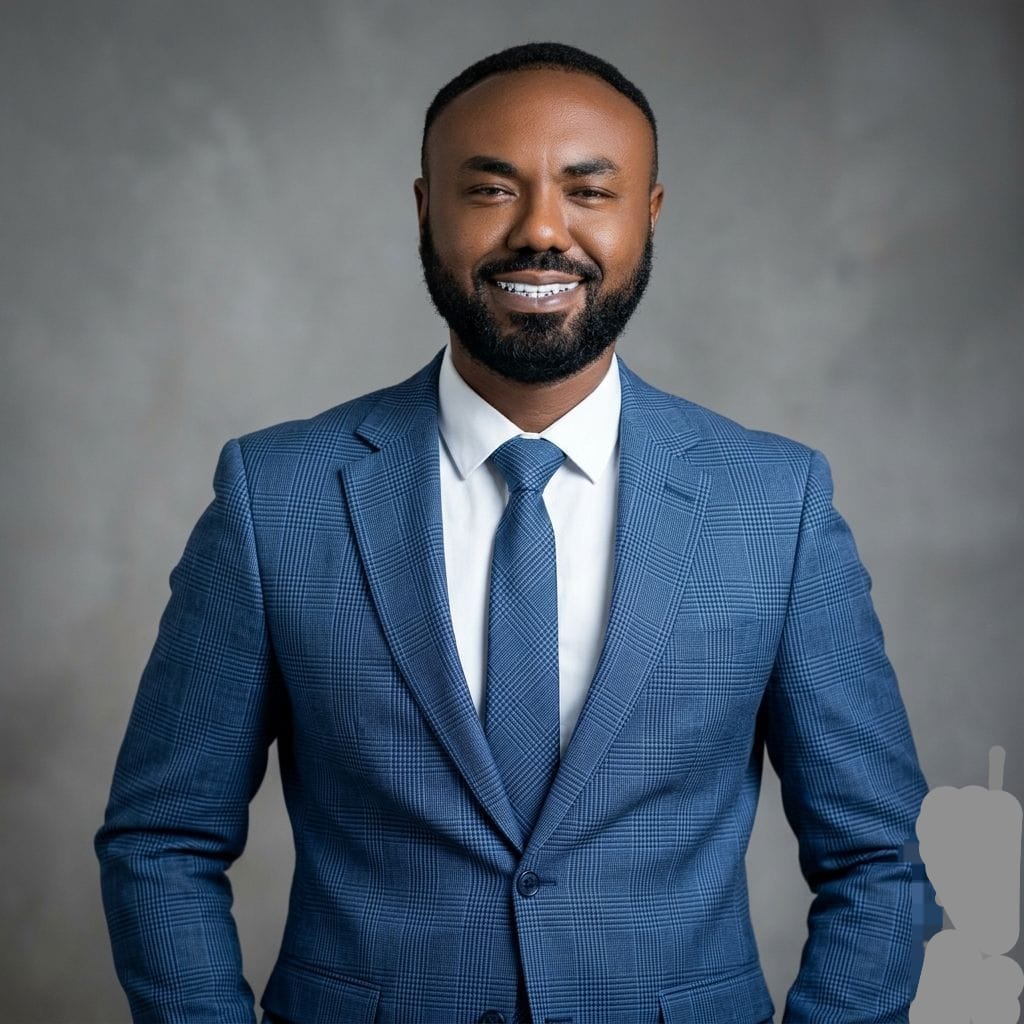
Prince Aigbokie-Isaac
Trustee
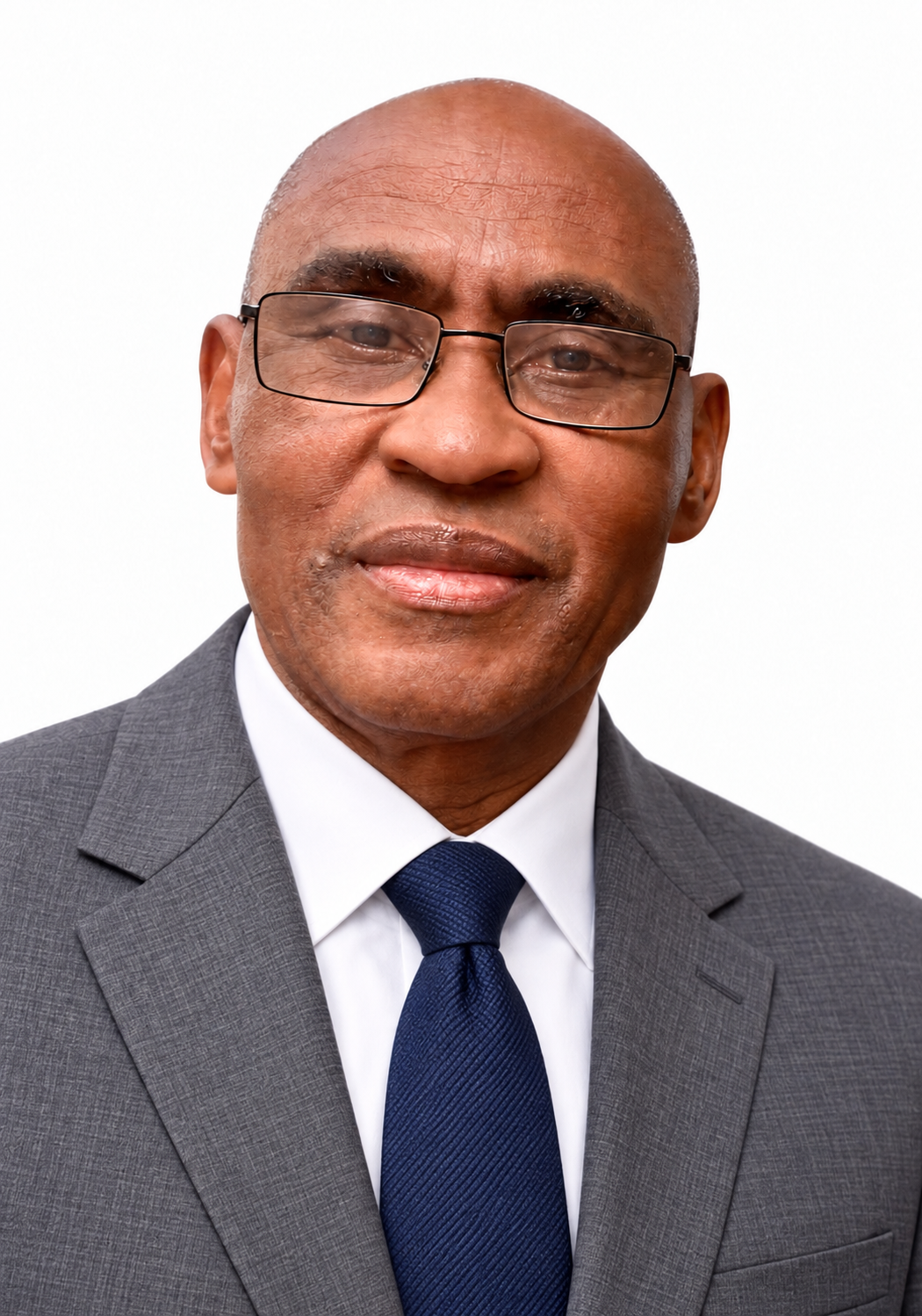
Agbor Orim
Chairman
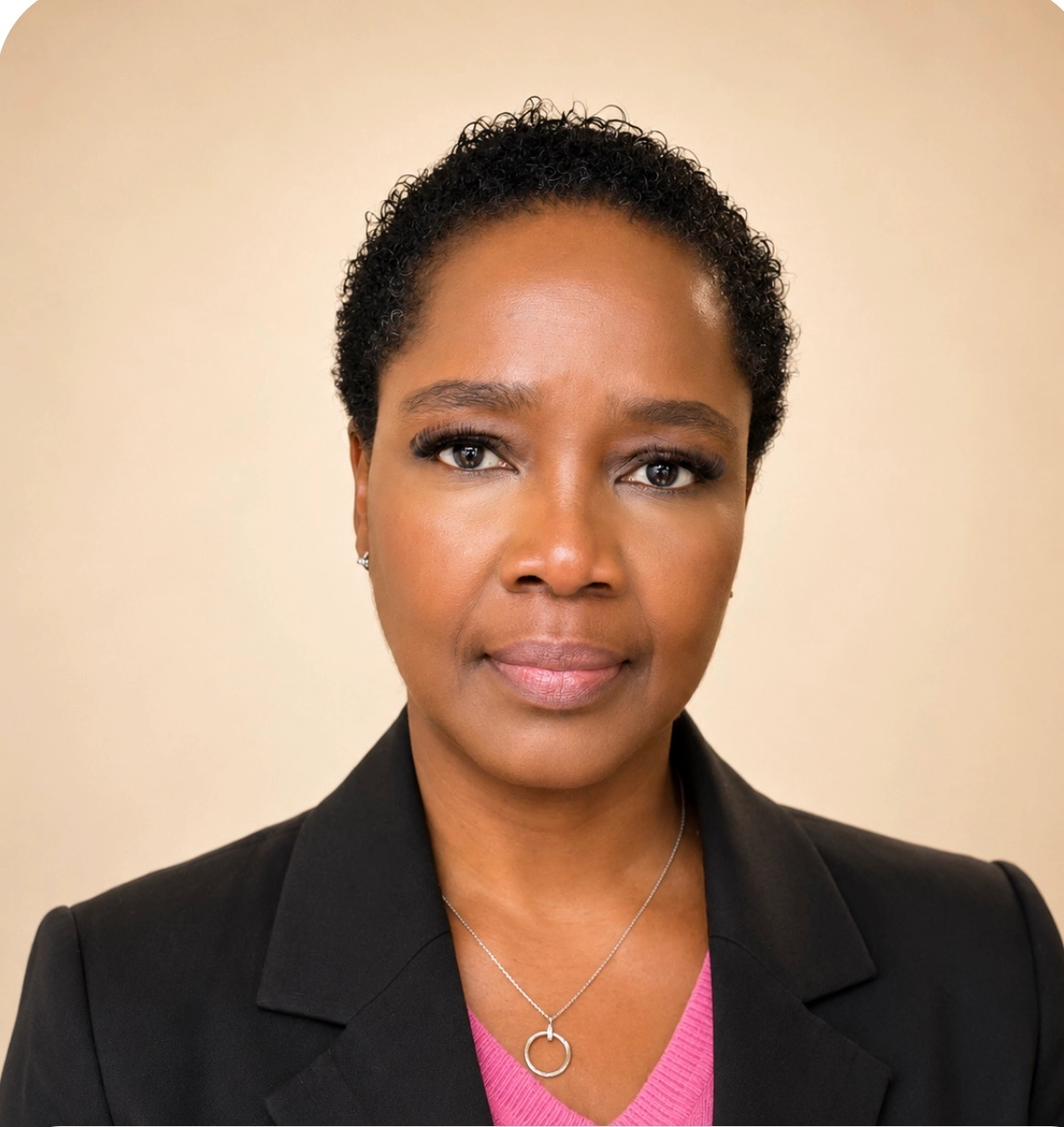
Stella-Maris Orim
Trustee
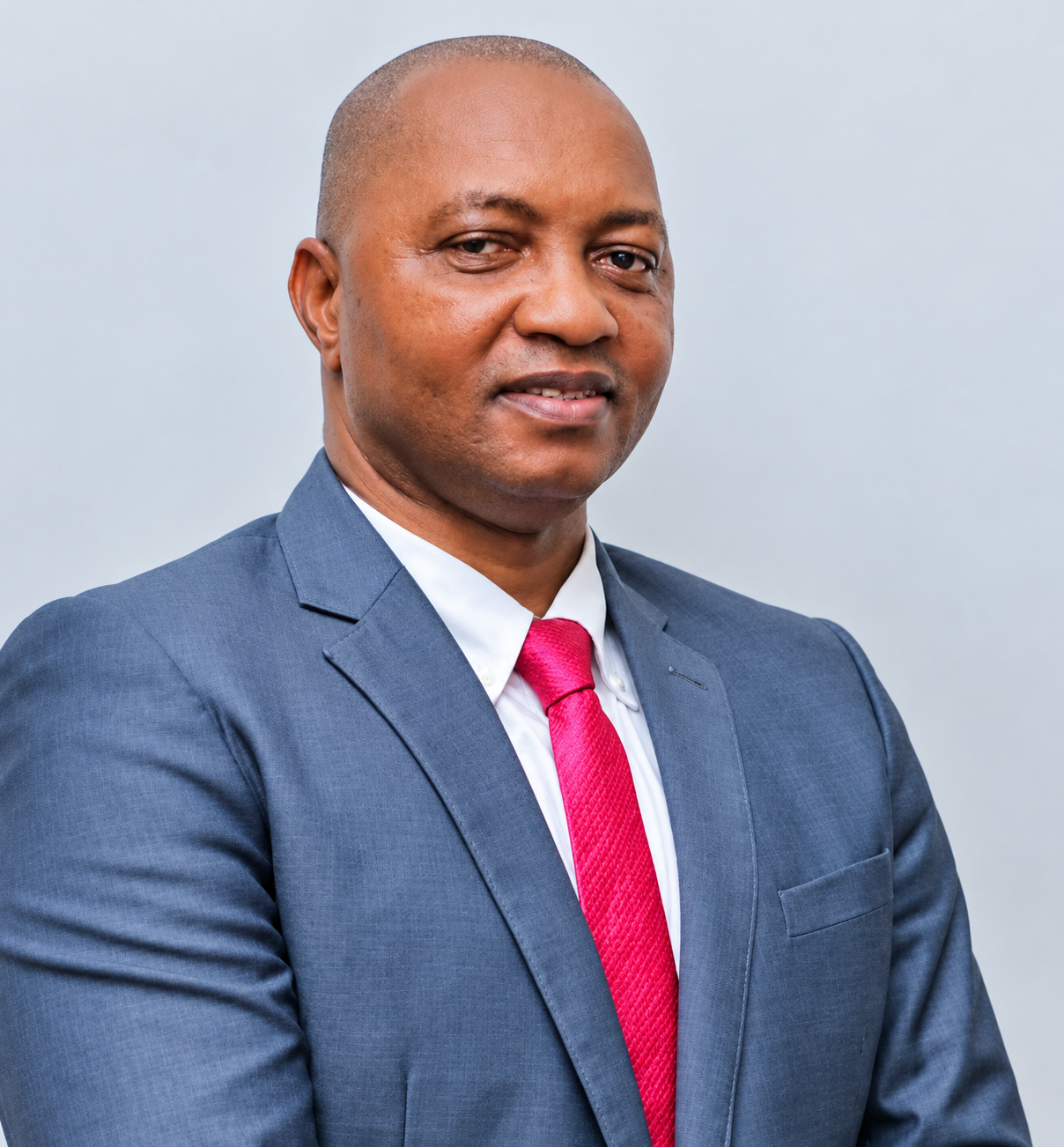
Emmanuel Ayele
Trustee
Governance and transparency
Registration in progress. Policies, reports and finances will be published here as they exist.
Governments
Ministries and agencies that set policy and run public services, and can integrate digital education into national and regional frameworks.
Technology companies
Laptops, tablets, free internet access, AI-driven learning platforms and volunteer expertise.
Universities and schools
Curriculum, research, graduate talent and the classrooms where free digital learning reaches students.
Development organisations
Co-design, delivery and evaluation at scale.
Community groups
Trust, local knowledge and the places where people already gather.
Funders and philanthropists
Patient capital for work that takes time to show results.
Partners in creativity
“We are not here to build another pilot. We are here to make sure the next generation of Nigerians starts from a fairer place.”
“They arrived with a plan that had been built with the community, not for it. That is rarer than it should be.”
“We fund a lot of digital skills work. Few programmes track what happens to people six months on. This one does.”