We expand access to skills, knowledge and opportunity for youth and women in underserved communities. Free digital training, devices and connectivity, and a voice in how technology is used.
Digital Equity
for every Nigerian.

Incorporated Trustees
CAC registration in progress
Headquartered in Abuja, FCT
Sabon Lugbe, Airport Road
Founding partners
To be announced
Working towards all six zones
Beginning in North Central
The challenge
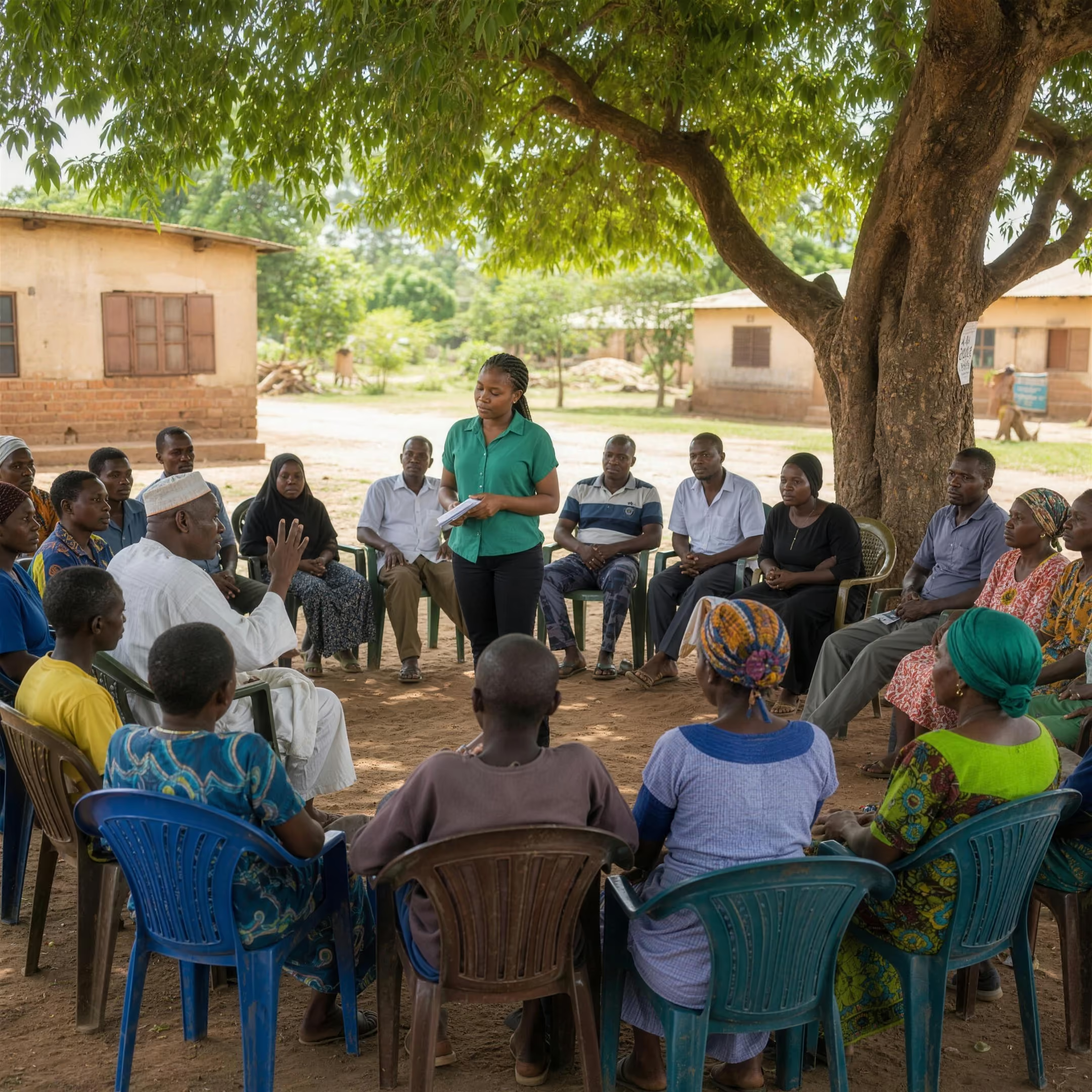
More than half of Nigerians are still on the wrong side of the digital divide. Access, skills,work and a say in how technology is used remain unevenly shared.

Our aim
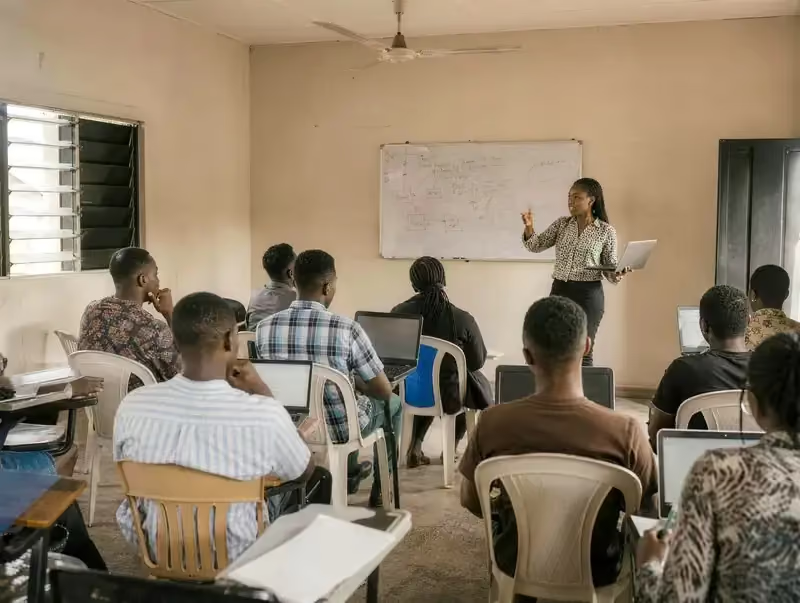
To promote inclusive development by expandingaccess to skills, knowledge and opportunities that enable individuals and communities, particularly youth and women in underserved areas, to participate fully in education, employment and the modern economy.
The Foundation was set up with six aims and objectives: digital literacy for marginalised communities, equitable access to digital learning for rural and low-income groups, data-driven monitoring and evaluation, advocacy for digital education in national and regional frameworks, devices, connectivity and AI-driven tools for free education, and free digital skills training in everything from basic computer use to cybersecurity.
Our response
Access
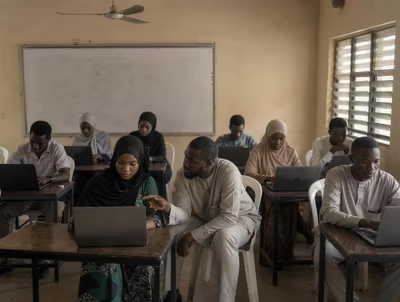
Devices, connectivity and free internet access for learners in need, through shared hubs and the distribution of laptops and tablets.
01
Skills
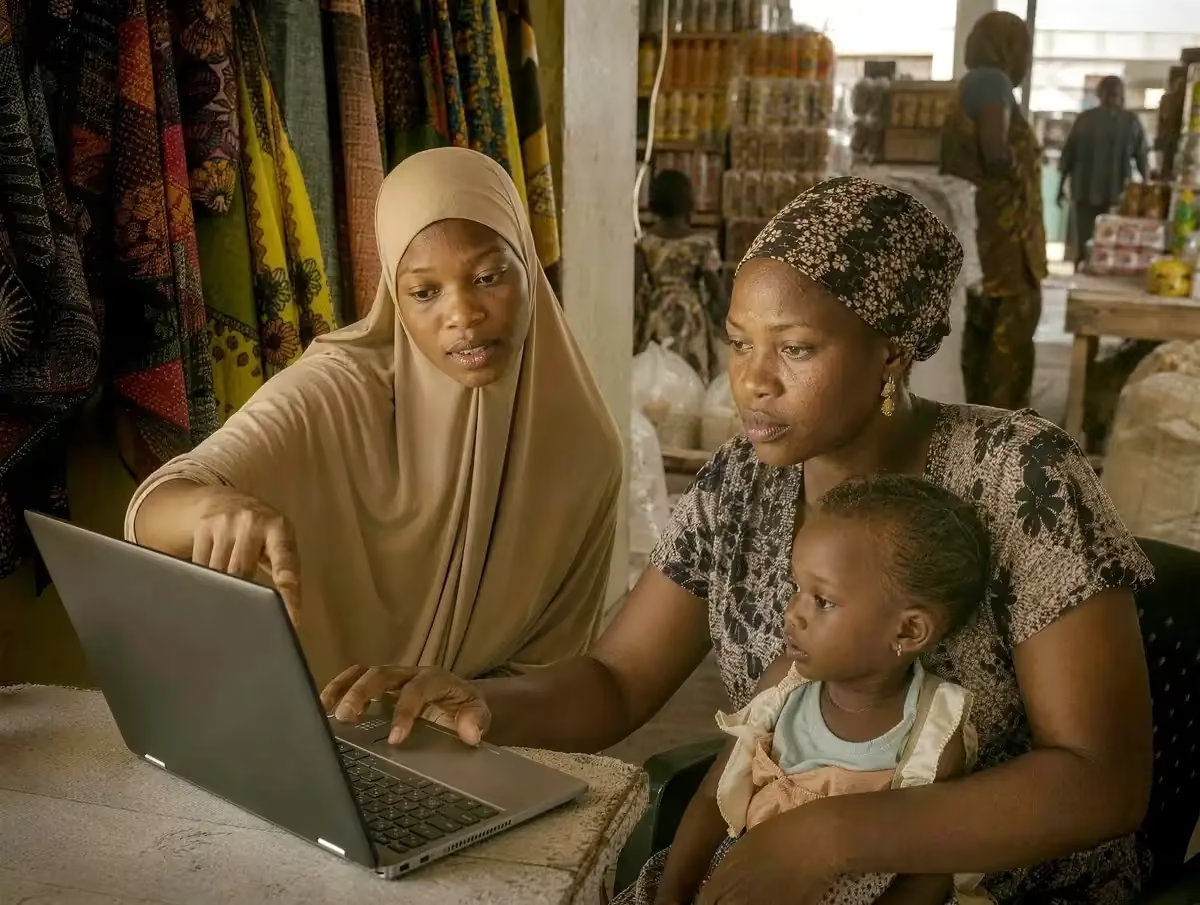
Free digital skills training, from basic computer use to digital marketing, web development, data analytics, coding, digital finance and cybersecurity.
02
Opportunity
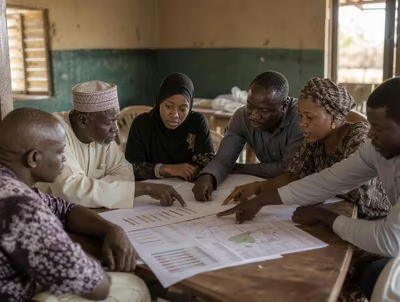
Pathways into education, work and enterprise, with rural areas, low-income groups and disadvantaged communities first.
03

Responsible Innovation
AI-driven learning and interactive platforms used safely, ethically and inclusively, and data-driven evaluation of what actually changes for learners.
04
Our 2027 targets
5
1
2
3
4
5
6
7
8
9
5
1
2
3
1
5
6
7
8
9
,
0
1
2
3
4
5
6
7
8
0
0
1
2
3
4
5
6
7
8
0
0
1
2
3
4
5
6
7
8
9
0
1
2
3
1
5
6
7
8
9
0
1
2
3
4
5
6
7
8
0
0
1
2
3
4
5
6
7
8
0
Our 2027 target: people trained through Foundation programmes
4
1
2
3
4
5
6
7
8
9
4
1
2
3
1
5
6
7
8
9
0
1
2
3
4
5
6
7
8
0
0
1
2
3
4
5
6
7
8
0
Our 2027 target: communities reached with hubs or courses
3
1
2
3
4
5
6
7
8
9
3
1
2
3
1
5
6
7
8
9
,
0
1
2
3
4
5
6
7
8
0
0
1
2
3
4
5
6
7
8
0
0
1
2
3
4
5
6
7
8
9
0
1
2
3
1
5
6
7
8
9
0
1
2
3
4
5
6
7
8
0
0
1
2
3
4
5
6
7
8
0
%
Our 2027 target: women and young people supported into skills or work
6
1
2
3
4
5
6
7
8
9
6
1
2
3
1
5
6
7
8
9
0
1
2
3
4
5
6
7
8
0
0
1
2
3
4
5
6
7
8
0
%
Our 2027 target: participants in work or further study within six months
Targets, not results, alongside a target of 25 partnerships with government, industry and universities. Actual figures will be published in our first annual report in 2027, with the method used to measure them.
Impact story
“Before the hub I had never sent an email. Now Ikeep the accounts for three shops on myphone.”

Halima, 24, Lugbe — Community Connect Hubs participant
Before — Halima finished secondary school in 2023 with no device of her own and no work. The nearest place to use a computer charged by the hour.
After — Twelve weeks after the Lugbe hub opened, she had a bookkeeping certificate, three trader clients, and a place on a part-time accounting diploma.
Where we work
Abuja, FCT
North Central Headquarters
Lagos
South West
Kano
North West
Jos
North Central
Owerri
South East
Uyo
South South
We begin in Abuja and grow with our partners. Locations other than Abuja are planned, not yet active.
Partners in creativity
“They arrived with a plan that had been built with the community, not for it. That is rarer than it should be.”
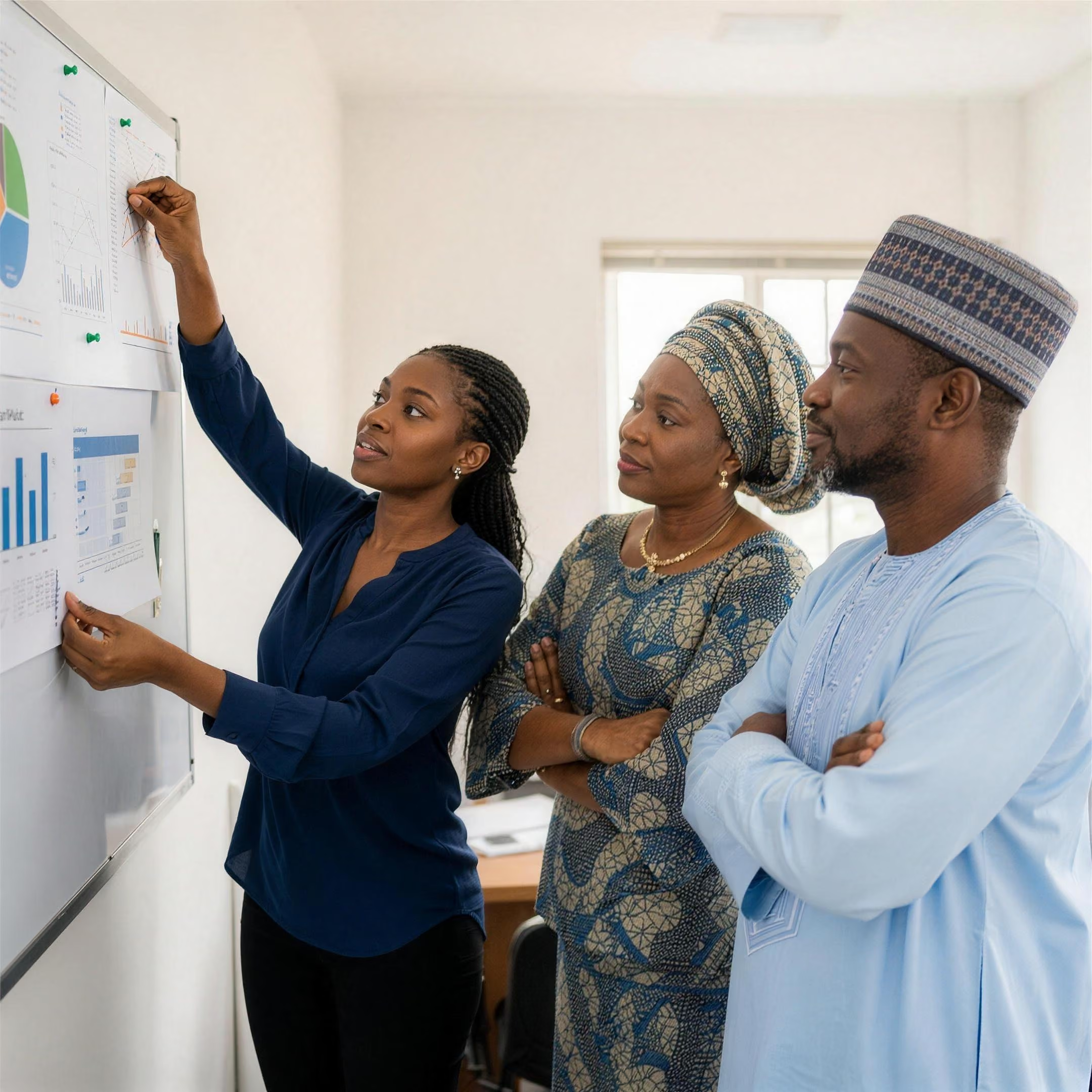
“The Foundation's data fellows gave our ministry the first honest picture of school connectivity we have ever had.”
“We fund a lot of digital skills work. Few programmes track what happens to people six months on. This one does.”






Work with us
We do not work alone.
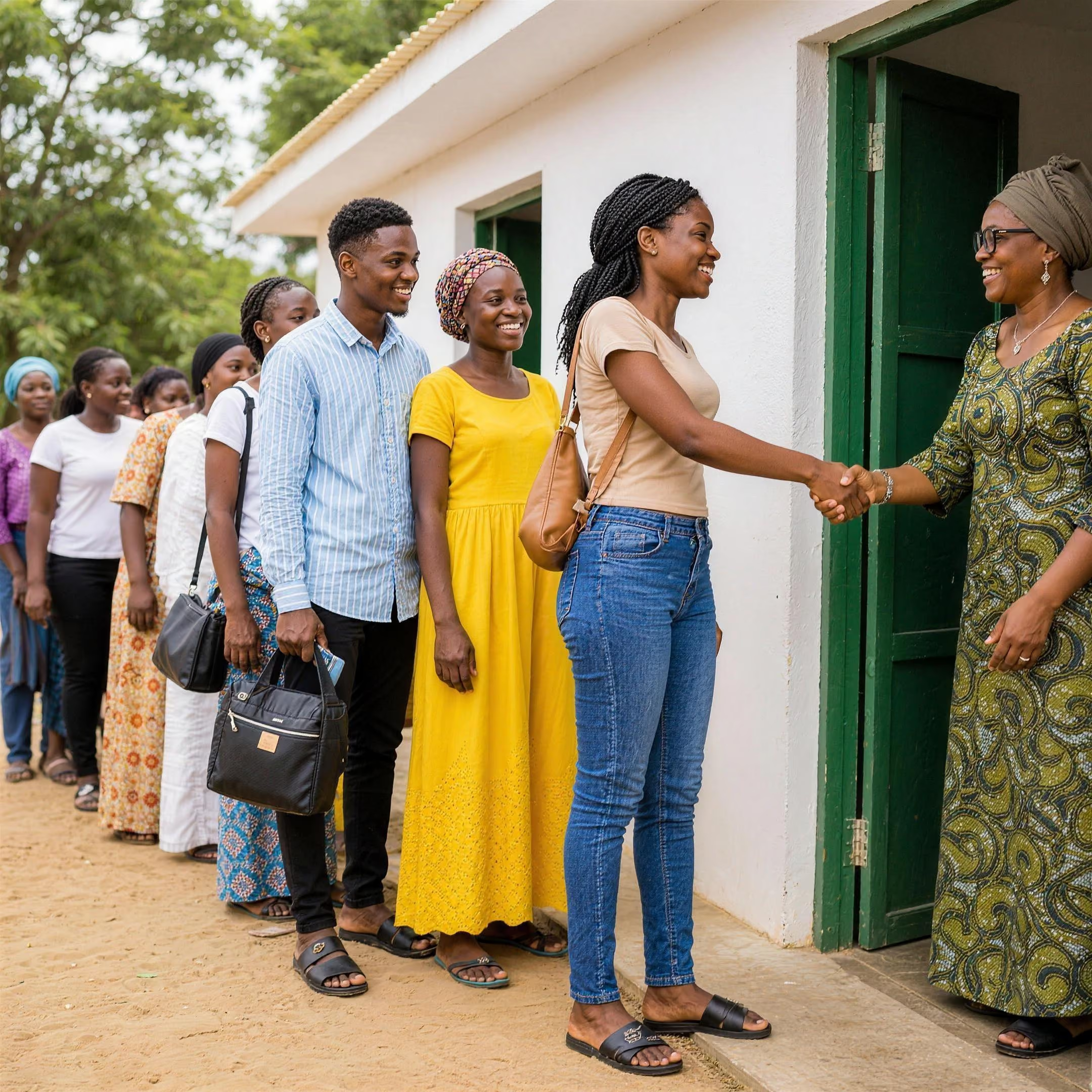
Every programme is delivered with partners who bring reach, expertise or funding we do not have on our own. With governments, institutions and stakeholders we also advocate for digital education to become part of national and regional education frameworks.
Governments
Ministries and agencies that set policy and run public services, and can integrate digital education into national and regional frameworks.
Technology companies
Laptops, tablets, free internet access, AI-driven learning platforms and volunteer expertise.
Universities and schools
Curriculum, research, graduate talent and the classrooms where free digital learning reaches students.
Development organisations
Co-design, delivery and evaluation at scale.
Community groups
Trust, local knowledge and the places where people already gather.
Funders and philanthropists
Patient capital for work that takes time to show results.